




HVAC Ductwork Installation in Walker, MI
- Last Updated: August 13, 2026
- Expert Workmanship
- Customer First, Always
- 24/7 Availability
- Locally Owned & Operated
- Expert Workmanship
- Customer First, Always
- 24/7 Availability
- Locally Owned & Operated
Request Your Heating, Cooling or Plumbing Quote Today!

Contact Us
When your home is not staying as comfortable as it should, the problem is not always the furnace or the air conditioner. Sometimes the issue lives inside the walls, attic, or crawl space. Your ductwork is the delivery system for all that heated and cooled air, and when it is old, poorly installed, or simply worn out, your entire HVAC system pays the price.
At Sullivan Furnace, AC Repair & Plumbing, we help Walker, MI homeowners get ductwork that actually works. Whether you are building new, replacing an aging system, or dealing with rooms that never seem to reach the right temperature, our team is here to do the job right the first time.
Our Services
- AC & Furnace Air Filter Replacement
- AC Capacitor Replacement
- AC Coil Cleaning
- AC Compressor Repair
- AC Installation & Replacement
- AC Maintenance
- AC Repair
- AC Tune Up
- Air Handler Repair & Installation
- Ductless Mini Split Installation
- Ductless Mini Split Repair
- Emergency AC Repair
- Emergency HVAC Repair
- Furnace Installation & Replacement
- Furnace Maintenance
- Furnace Repair
- Heat Pump Installation & Replacement
- Heat Pump Maintenance
- Heat Pump Repair
- Freon Recharge
- HVAC Ductwork Installation
- HVAC Ductwork Repair
- HVAC UV Light Installation
- Thermostat Repair & Installation
What Your Neighbors Are Saying About Us
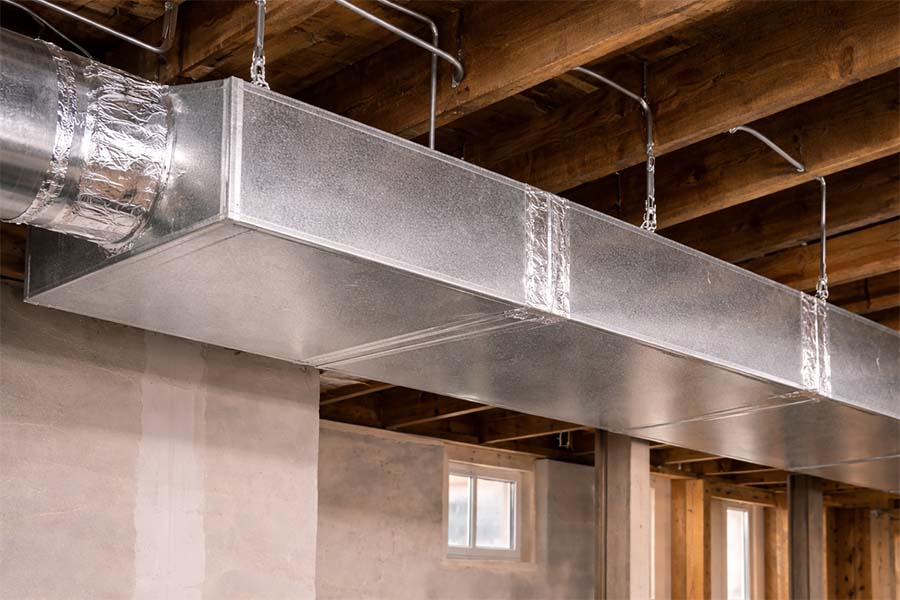
When New HVAC Ductwork Is Needed
Not every home needs new ductwork, but there are clear signs that your current setup is holding your HVAC system back. Here are some of the most common situations where new ductwork makes sense:
- Some rooms in your home are consistently too hot or too cold compared to the rest of the house, which usually points to airflow problems in the duct system.
- You have noticed that your energy bills have been climbing without a clear reason, and leaky or undersized ducts are often the culprit.
- Your home has older flexible ductwork that has started to sag, disconnect, or collapse in sections.
- You hear a lot of rattling, whistling, or banging from inside the walls or ceilings when the system kicks on.
- You are adding an addition, finishing a basement, or remodeling a space that requires extending or reconfiguring your existing duct layout.
- Your home was built or renovated with ductwork that was never designed for the HVAC equipment you have now.
- You are noticing excessive dust buildup throughout your home, which can be a sign that your ducts are pulling in air from unconditioned spaces.
Walker, MI homeowners deal with real seasonal extremes. Humid summers put serious demand on air conditioning systems, and cold Michigan winters push furnaces hard for months at a time. When your ductwork is not up to the task, you feel it in every room and see it on every utility bill.
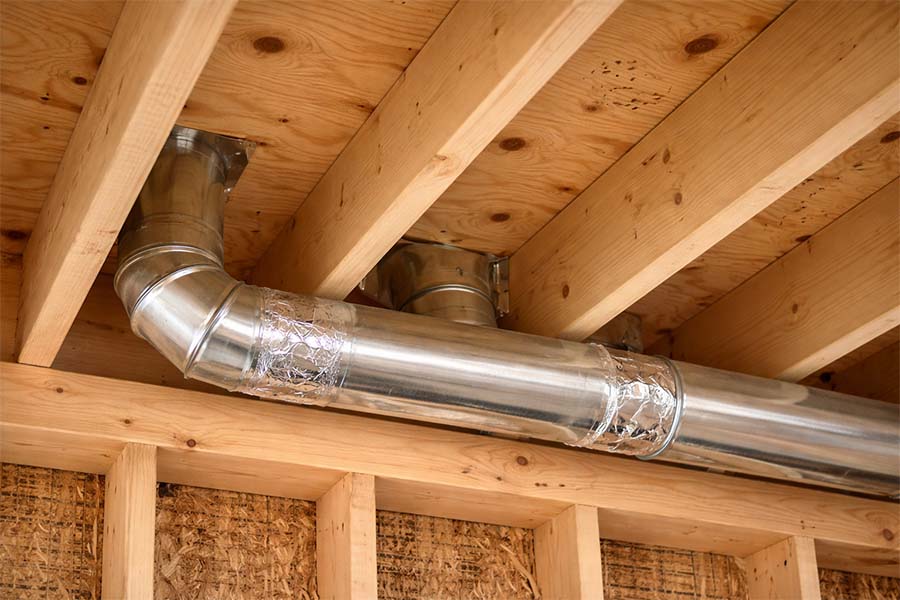
Types of HVAC Ductwork Systems
There is more than one way to move air through a home, and the right solution depends on your home’s layout, your existing equipment, and your comfort goals. Here is a look at the main types of ductwork we install:
Sheet Metal Ductwork Sheet metal, typically galvanized steel or aluminum, is the most durable option available. It holds its shape over time, resists mold growth, and is easy to seal properly. Sheet metal ducts are a strong choice for main trunk lines and in areas where the ductwork will be exposed or need to handle high airflow.
Flexible Ductwork Flexible duct is made from a wire coil covered with a plastic inner liner and wrapped in insulation. It is easier to route around obstacles and works well for branch runs connecting the main trunk to individual vents. When installed correctly and supported properly, it performs well. When it is poorly routed or left to sag, it creates airflow restrictions that cost you comfort and efficiency.
Fiberboard Ductwork Fiberboard ducts are made from compressed fiberglass and have some built-in insulation value. They are quieter than metal in some applications, but they can be more susceptible to moisture damage in humid climates. Given West Michigan’s humidity levels, proper sealing and placement matter a great deal with this material.
Duct Board and Plenum Systems These are often used for building supply and return plenums, which are the larger boxes that connect directly to your air handler or furnace. A well-built plenum is important for balanced airflow throughout the whole system.
Most homes use a combination of these materials depending on where the ducts are running and what they need to do. Our team assesses your home’s specific layout before recommending the right approach.
Our HVAC Ductwork Installation Process
We do not show up with a one-size-fits-all plan. Every home is different, and good ductwork installation starts with understanding exactly what your home needs. Here is how we handle the process:
Home Assessment and Load Calculation
Before any ductwork goes in, we take a close look at your home's square footage, layout, insulation levels, and existing HVAC equipment. We use this information to design a duct system that can move the right amount of air to every room without overworking the system.
Duct Design and Planning
We lay out the trunk lines, branch runs, supply registers, and return air locations based on your home's specific needs. Good design means balanced airflow, which means fewer hot and cold spots and a system that does not have to strain to do its job.
Material Selection
We select the right combination of ductwork materials based on where each section will be installed, how much airflow it needs to carry, and the conditions in that part of your home.
Installation
Our crew installs the ductwork cleanly and carefully, paying close attention to how joints are connected, how ducts are supported, and how everything ties back to the air handler or furnace. We treat your home with respect throughout the entire process.
Sealing and Insulation
Every connection is sealed to prevent air leakage. Ducts running through unconditioned spaces like attics and crawl spaces are properly insulated to reduce energy loss. This step is critical in a climate like Walker, MI , where attic temperatures can climb well above 100 degrees in summer.
Testing and Balancing
Once installation is complete, we test the system to verify airflow is reaching every room as intended. If adjustments are needed, we make them before we consider the job done.
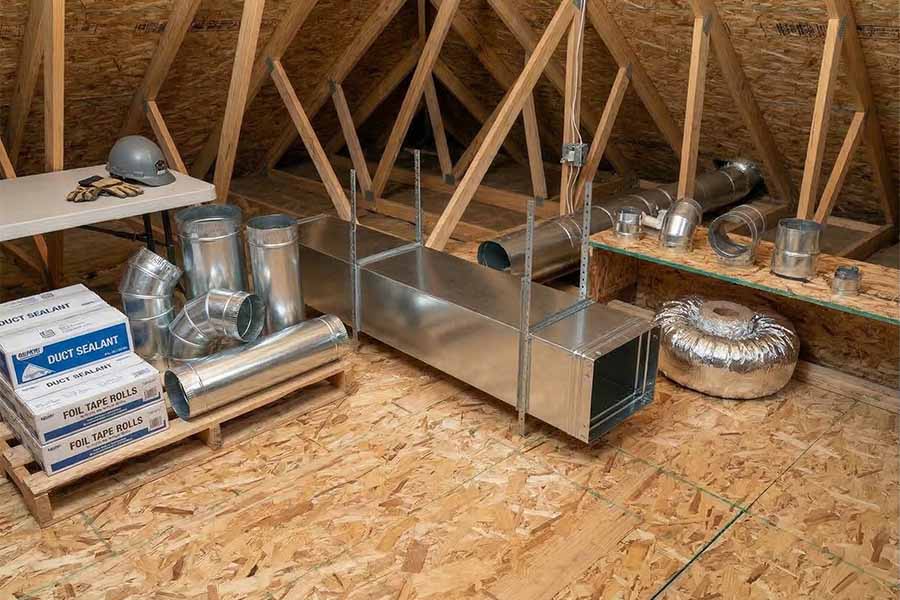
Benefits of Properly Installed HVAC Ductwork
Investing in a well-designed, properly installed duct system pays off in a number of ways. Here is what Walker, MI homeowners typically notice after getting new ductwork:
- Every room in the home reaches and holds the temperature it should, instead of some areas always feeling off.
- Monthly energy costs go down because the system is not working overtime to compensate for leaks or restrictions in the old ductwork.
- Indoor air quality improves because ducts that are sealed and in good condition do not pull in dust, insulation particles, or humidity from unconditioned spaces.
- The heating and cooling equipment lasts longer because it is no longer being strained by a duct system that is fighting against it.
- The home feels quieter since properly sized and supported ducts reduce the pressure noise and vibration that worn-out ductwork causes.
- Humidity is better managed throughout the home, which matters in Walker, MI where summer months can bring sticky, muggy conditions that make a poorly ventilated home feel uncomfortable even when the AC is running.
Why Choose Sullivan Furnace, AC Repair & Plumbing for HVAC Ductwork Installation
There are plenty of contractors who will install ductwork. Fewer of them will do it with the level of care and attention your home deserves. Here is what sets us apart:
We are available when you need us. We offer 24/7 availability for emergency service, so if something goes wrong, you are not left waiting.
We do the job right the first time. Our process-driven approach means we plan carefully, install precisely, and verify that everything is working before we leave. We are not in the business of cutting corners and coming back to fix mistakes.
We treat your home with respect. Our team shows up prepared, works cleanly, and communicates clearly throughout the job. We know that letting someone work in your walls and ceilings is a matter of trust, and we take that seriously.
We know this area. Serving Walker, MI and the surrounding West Michigan communities means we understand the climate, the housing stock, and the specific demands that cold winters and humid summers place on home comfort systems. That local knowledge shapes how we design and install every duct system.
We put customers first, always. Every service call is an opportunity to protect your comfort, safety, and peace of mind for years to come. That is not a slogan. It is how we approach every job.
How long does HVAC ductwork last?
Most ductwork lasts between 15 and 25 years depending on the materials used, how well it was installed, and the conditions in your home. Flexible duct tends to degrade faster than sheet metal, especially in humid or high-temperature environments like attics in West Michigan summers.
How do I know if my ducts are leaking?
Common signs include uneven temperatures from room to room, higher than expected energy bills, excessive dust in the home, and a system that runs constantly but never quite reaches your set temperature. A professional assessment is the most reliable way to confirm duct leakage.
Can new ductwork really lower my energy bills?
Yes, and often by a meaningful amount. The U.S. Department of Energy estimates that leaky ducts can account for as much as 30 percent of heating and cooling energy loss in a typical home. Sealing and replacing worn ductwork gives that energy back to you.
Do I need new ductwork if I replace my furnace or AC?
Not always, but it is worth evaluating. Older ductwork that was sized for a previous system may not be the right fit for new equipment. Mismatched ductwork can reduce efficiency and shorten the life of your new unit. We always assess the existing ducts as part of any major equipment replacement.
How long does ductwork installation take?
For most homes, a full ductwork installation takes one to three days depending on the size of the home, the complexity of the layout, and how much existing ductwork needs to be removed. We will give you a clear timeline before work begins so you can plan accordingly.