




Heat and Energy Recovery Ventilator Installation in Walker, MI
- Last Updated: September 2, 2026
- Expert Workmanship
- Customer First, Always
- 24/7 Availability
- Locally Owned & Operated
- Expert Workmanship
- Customer First, Always
- 24/7 Availability
- Locally Owned & Operated
Request Your Heating, Cooling or Plumbing Quote Today!

Contact Us
Most homeowners spend a lot of time thinking about heating and cooling, but not nearly as much time thinking about ventilation. The truth is, the air inside your home can be significantly more polluted than the air outside, and without a way to cycle in fresh air, that stale, recirculated air just keeps building up. Heat and energy recovery ventilators solve that problem without throwing your energy bills out of whack. At Sullivan Furnace, AC Repair & Plumbing, we install HRV and ERV systems for homeowners across Walker, MI who want cleaner air and a more balanced home environment.
Our Services
- Air Duct Sealing
- Heat & Energy Recovery Ventilator Installation
- Humidifier Installation & Repair
- HVAC UV Light Installation
- Indoor Air Quality Solutions
- Indoor Air Quality Testing
- Whole House Air Purifier Installation
What Your Neighbors Are Saying About Us
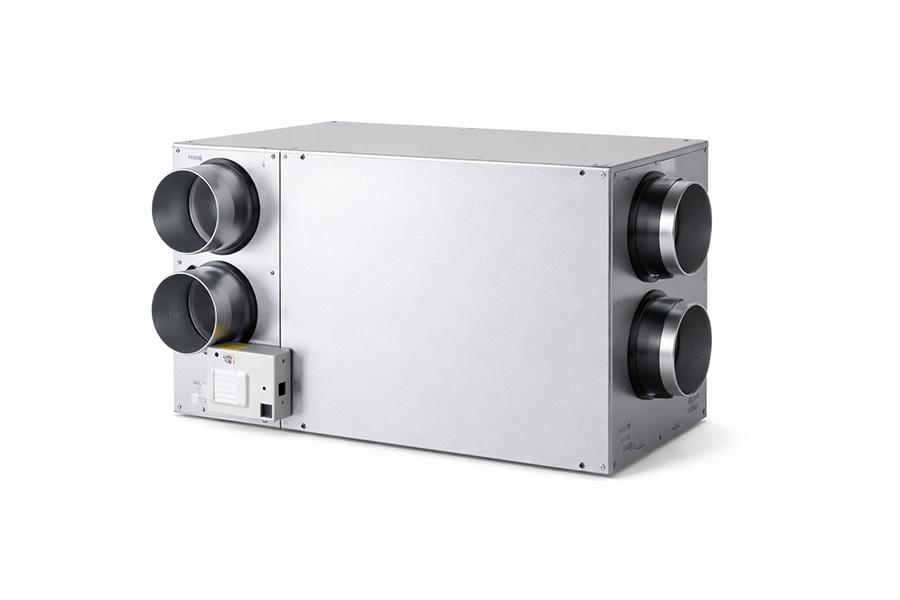
What Heat and Energy Recovery Ventilators Do for Your Home
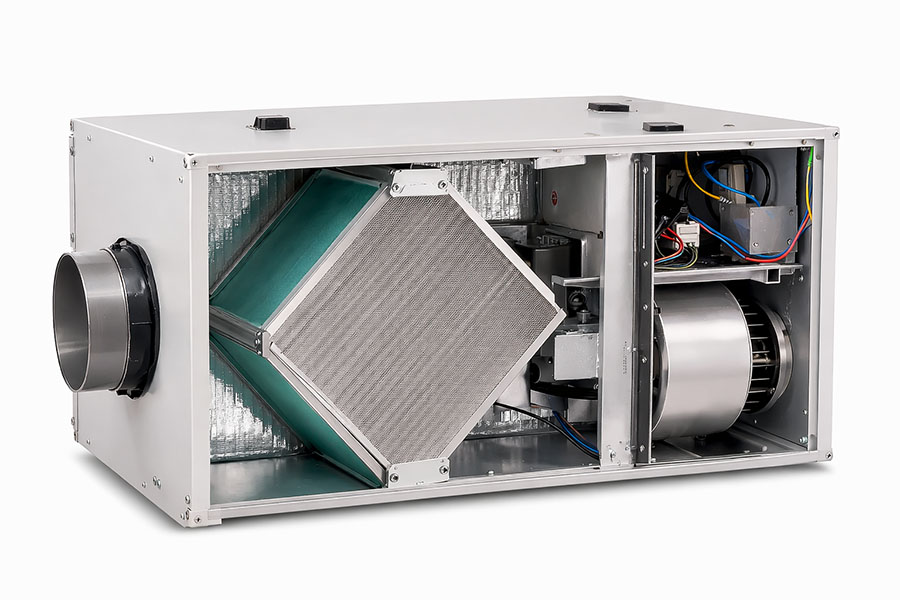
A heat or energy recovery ventilator is a whole-home ventilation system that works alongside your existing HVAC setup. It pulls stale indoor air out of your home and brings fresh outdoor air in, but here is the part that makes it different from just cracking a window: it transfers the energy from the outgoing air to the incoming air before the two streams ever mix.
In the winter, that means the warm air leaving your home heats up the cold air coming in. In the summer, the cooler conditioned air inside your home pre-treats the hot air entering from outside. The result is continuous fresh air with far less strain on your heating and cooling system.
In a place like Walker, MI, where we deal with cold, dry winters and warm, humid summers, having proper ventilation without sacrificing efficiency is a real advantage. Tightly built homes here trap moisture, allergens, and pollutants inside. An HRV or ERV keeps the air moving and the indoor environment healthier without wasting the energy you have already paid to condition your home.
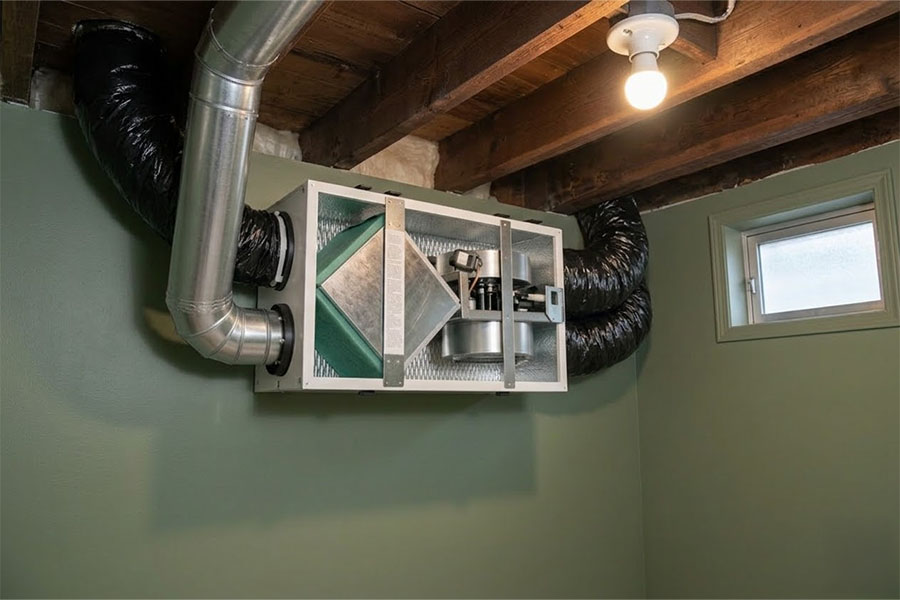
Understanding the Difference Between HRV and ERV Systems
Both systems do the same core job, but they handle moisture a little differently, and that distinction matters depending on your home and climate.
Heat Recovery Ventilators (HRV) An HRV transfers heat between the incoming and outgoing airstreams but does not transfer moisture. This makes it a strong choice for homes that tend to hold onto too much humidity, particularly during Walker, MI winters when excess indoor moisture can lead to condensation, mold growth, and air quality problems.
Energy Recovery Ventilators (ERV) An ERV transfers both heat and moisture between airstreams. During our cold Michigan winters, an ERV helps retain some indoor humidity, which prevents the air from becoming overly dry. In the summer, it also limits how much outdoor humidity enters the home, which takes some of the load off your air conditioner.
For most Walker, MI homeowners, the right choice comes down to your home’s specific humidity levels, how tight your home’s construction is, and how your current HVAC system is set up. Our team will walk you through exactly which system makes sense before any work begins.
Benefits of Installing a Heat or Energy Recovery Ventilator
A properly installed HRV or ERV does more than just bring in fresh air. Here is what homeowners in Walker, MI regularly notice after installation:
- Better indoor air quality, with fewer allergens, odors, and airborne pollutants circulating through the home.
- More consistent humidity levels throughout the year, which helps protect wood floors, furniture, and structural components.
- Reduced strain on your heating and cooling system, since conditioned air is not simply being replaced by unconditioned outdoor air.
- Lower energy costs over time, because the heat exchange process recovers a significant portion of the energy that would otherwise be lost during ventilation.
- Relief from stuffy, stagnant air in rooms that feel closed off or poorly ventilated.
- A healthier environment for family members who deal with allergies, asthma, or other respiratory sensitivities.
- Compliance with modern building ventilation standards, which is especially relevant for newer construction or recently weatherized homes.

Our Heat & Energy Recovery Ventilator Installation Process
We take a straightforward, process-driven approach to every HRV and ERV installation. Here is what to expect when you work with Sullivan Furnace, AC Repair & Plumbing:
Home assessment: We start by evaluating your current ventilation setup, your HVAC system, and your home’s construction. We look at square footage, existing ductwork, and humidity patterns to determine which system fits your situation.
System recommendation: Based on what we find, we recommend the right HRV or ERV unit for your home. We explain the options clearly and answer your questions before moving forward.
Professional installation: Our technicians install the unit and connect it to your existing duct system or set up dedicated ventilation ducts if needed. We handle all the connections carefully to make sure airflow is balanced and the system operates the way it should.
Testing and balancing: Once the system is installed, we test it to confirm proper airflow rates, check that the heat exchange is working efficiently, and make any adjustments needed.
Walkthrough with you: Before we leave, we walk you through how the system works, how to use any controls, and what basic maintenance looks like so you feel confident going forward.

Signs Your Home Could Benefit from an HRV or ERV System
Not every home shows obvious signs of ventilation problems, but there are some common things Walker, MI homeowners notice that point toward a need for better ventilation:
- Condensation on windows during the winter, which often signals excess indoor humidity and poor air exchange.
- A persistent musty or stale smell, especially in rooms that do not get much airflow.
- Family members experiencing more frequent allergy symptoms or respiratory irritation while indoors.
- Visible mold or mildew growth in bathrooms, around windows, or in other moisture-prone areas.
- Feeling like the air in your home is heavy or stuffy even when the HVAC system is running.
- A recently weatherized or newly built home that was sealed tightly for energy efficiency but now lacks adequate fresh air exchange.
- Higher-than-expected heating or cooling bills without an obvious cause, which can sometimes point to ventilation imbalances.
If any of these sound familiar, it is worth having our team take a look. Many of these issues are more common in Walker, MI during the colder months when homes are closed up tight and outdoor air exchange drops to almost nothing.
Why Choose Sullivan Furnace, AC Repair & Plumbing for HRV & ERV Installation
We are a local company, and that matters when it comes to whole-home ventilation. Our team understands the specific challenges that come with Michigan’s climate, from the humidity that rolls in off Lake Michigan during the summer to the dry, cold winters that leave indoor air feeling stale and uncomfortable by February. We do not take a one-size-fits-all approach because not every home in Walker, MI has the same needs.
What you can count on when you call us:
- 24/7 availability for urgent service needs, because we know home comfort issues do not wait for business hours.
- Technicians who show up prepared, treat your home with respect, and get the job done right the first time.
- Clear, straightforward communication throughout the process so you always know what is happening and why.
- A customer-first mindset that puts your long-term comfort and safety ahead of everything else.
- Real experience with the homes and climate conditions right here in the Walker, MI area.
We treat every installation as an investment in your home’s comfort and your family’s health, and we back that up with the kind of workmanship that holds up over time.
How long does it take to install an HRV or ERV system?
Most installations take between four and eight hours depending on your home’s layout and whether existing ductwork can be used. Our team will give you a more specific timeframe during the assessment.
Will an HRV or ERV work with my existing HVAC system?
In most cases, yes. These systems are designed to integrate with standard forced-air systems. During our initial assessment, we confirm compatibility before recommending a unit.
How often does an HRV or ERV need to be serviced?
Basic maintenance like cleaning or replacing filters should happen every three to six months. A full professional inspection once a year keeps the system running efficiently and extends its lifespan.
Is an ERV or HRV a good fit for Walker, MI climate?
Both can work well here. Kentwood, MI humid summers and cold, dry winters make ventilation balance especially important. We help homeowners choose the right system based on their specific home conditions and how their HVAC system is currently set up.
Does installing an HRV or ERV really save money on energy?
Yes, over time. By recovering heat or energy from outgoing air, these systems reduce how hard your furnace and air conditioner have to work to maintain comfortable temperatures. Many homeowners see a meaningful reduction in heating and cooling costs after installation.