




Indoor Air Quality Testing in Walker, MI
- Last Updated: September 2, 2026
- Expert Workmanship
- Customer First, Always
- 24/7 Availability
- Locally Owned & Operated
- Expert Workmanship
- Customer First, Always
- 24/7 Availability
- Locally Owned & Operated
Request Your Heating, Cooling or Plumbing Quote Today!

Contact Us
The air inside your home might not be as clean as you think. In fact, indoor air can be significantly more polluted than the air outside, and most homeowners never realize it until symptoms start showing up. Dust, mold spores, chemical vapors, and other contaminants can build up quietly inside your home over time, affecting how you feel every single day.
At Sullivan Furnace, AC Repair & Plumbing, we help Walker, MI homeowners find out exactly what’s in their air. Our indoor air quality testing gives you real answers so you can make the right decisions for your family’s health and comfort.
Our Services
- Air Duct Sealing
- Heat & Energy Recovery Ventilator Installation
- Humidifier Installation & Repair
- HVAC UV Light Installation
- Indoor Air Quality Solutions
- Indoor Air Quality Testing
- Whole House Air Purifier Installation
What Your Neighbors Are Saying About Us
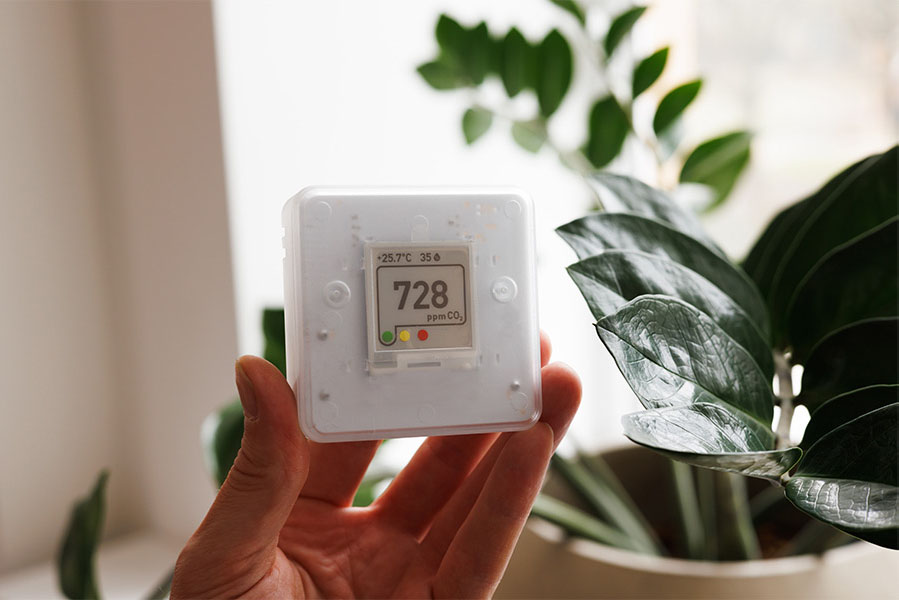
What We Look for During Air Quality Testing
Indoor air quality testing is not a one-size-fits-all process. Different homes have different problems, and a thorough test covers a wide range of potential contaminants and conditions. When we test your home’s air, we’re evaluating several key factors that affect how safe and comfortable your indoor environment really is.
Some of the things we measure and assess include:
- Humidity levels, which in Walker, MI climate can fluctuate significantly between hot, muggy summers and dry winter months, creating conditions for both mold growth and respiratory irritation.
- Particulate matter, including dust, pet dander, pollen, and other airborne particles that circulate through your HVAC system and settle throughout your home.
- Volatile organic compounds (VOCs), which are chemical gases released by household products like paint, cleaning supplies, furniture, and flooring materials.
- Carbon monoxide and combustion byproducts, especially important in homes with gas furnaces, water heaters, or other fuel-burning appliances.
- Mold and mildew spores, which thrive in humid conditions and can go undetected inside walls, ductwork, and other hidden spaces.
- Radon levels, a naturally occurring gas that seeps up from the ground and can accumulate in lower levels of a home without any visible signs.
Understanding what’s actually present in your air is the first step toward doing something about it.
Warning Signs Your Home's Air May Be a Problem
Poor indoor air quality does not always announce itself in obvious ways. Many of the signs are easy to brush off or blame on something else entirely. That said, your home and your body often give you clues worth paying attention to.
Some of the more common warning signs include:
- You or your family members experience persistent allergy-like symptoms such as sneezing, congestion, or itchy eyes that seem worse when you’re indoors.
- You notice musty or stale odors in certain rooms or throughout the home, which can point to mold, mildew, or poor ventilation.
- You see visible dust buildup on vents and registers shortly after cleaning, which suggests your HVAC system may be circulating more debris than it should.
- Family members have been dealing with more frequent headaches, fatigue, or difficulty sleeping without a clear medical explanation.
- Your home feels unusually humid in the summer or excessively dry in the winter, both of which affect air quality and comfort.
- You have recently completed a renovation, added new furniture, or made changes to your home that may have introduced VOCs or other contaminants.
- Someone in your home has asthma, allergies, or another respiratory condition that seems harder to manage than usual.
If any of these sound familiar, a professional air quality test is a smart next step.

How Our Indoor Air Quality Testing Works
We keep our process straightforward so you know exactly what to expect from start to finish. There are no surprises and no pressure. We come in, do the work carefully, and make sure you understand what we find.
Here is how the process typically goes:
- We start with a walkthrough of your home to identify any visible concerns, assess your HVAC system, and talk with you about any symptoms or issues you have noticed.
- We use professional-grade testing equipment to sample the air in key areas of your home, focusing on spaces where contaminants are most likely to accumulate or enter the living space.
- We evaluate your current HVAC setup, including your filtration system, ductwork, and ventilation, to understand how air is being circulated and whether the system may be contributing to the problem.
- Once testing is complete, we walk you through the results in plain language so you understand what we found and why it matters.
- If issues are detected, we give you honest recommendations for solutions that fit your home, your situation, and your budget.
We treat every home and every homeowner with respect. You will never feel rushed or talked into something you do not need.

Air Quality Problems We Commonly Find
After testing homes throughout the Walker, MI area, we have seen a consistent set of issues come up again and again. West Michigan’s climate plays a real role in many of them. The combination of humid summers, cold winters, and older housing stock in parts of the area creates conditions where air quality problems are more common than most people expect.
Some of the most frequent issues we find include:
- Elevated humidity and mold growth, often caused by poor ventilation or an aging HVAC system that is no longer managing moisture effectively during Michigan’s humid summer months.
- Dirty or undersized filtration systems that allow fine particles and allergens to recirculate through the home continuously.
- VOC buildup from everyday household products, particularly in homes with limited fresh air exchange during the winter months when windows stay closed for extended periods.
- Duct contamination, including dust, debris, and in some cases mold, that gets pushed into living spaces every time the system runs.
- Carbon monoxide risks tied to older furnaces, gas appliances, or improper venting that may not be immediately obvious without testing.
- Radon accumulation in basements or lower-level living areas, which is a known concern in parts of Michigan and something every homeowner should be aware of.
Finding the problem is half the battle. Once we know what you are dealing with, we can help you get it under control.
Why Walker, MI Homeowners Trust Sullivan Furnace, AC Repair & Plumbing
There are a lot of contractors out there, and we know you have choices. What keeps Walker, MI homeowners calling us is pretty simple. We show up when we say we will, we do the job right, and we treat your home the way we would want ours treated.
Here is what you can count on when you work with us:
- We are available 24/7 for emergency service, so if an air quality concern turns urgent, you do not have to wait until Monday morning to get help.
- Our technicians bring real expertise to every job. We follow a disciplined, process-driven approach that ensures nothing gets missed and nothing gets rushed.
- We are locally rooted in the Walker, MI area, which means we understand the specific conditions Michigan homeowners deal with throughout the year, from summer humidity that drives mold risk to dry winter air that aggravates respiratory issues.
- We are straightforward with our findings and our recommendations. If something does not need to be fixed, we will tell you that too.
- We are committed to doing the job right the first time, every time, because we would rather earn your trust than your repeat business due to a problem we should have solved the first visit.
When you invite us into your home, we take that seriously. Your comfort, safety, and peace of mind are what this is all about.
How do I know if I need indoor air quality testing?
If anyone in your home is dealing with ongoing allergy symptoms, headaches, or fatigue that seems worse indoors, or if you have noticed musty odors or visible mold, testing is a good idea. It is also worth considering after a renovation or if your HVAC system is older and has not been serviced recently.
How long does an indoor air quality test take?
Most residential air quality tests can be completed within a few hours. The exact time depends on the size of your home and the number of areas we are testing. We will give you a better estimate when we schedule your appointment.
Does indoor air quality testing detect carbon monoxide?
Yes. Carbon monoxide is one of the combustion byproducts we check for during testing. This is especially important in homes with gas furnaces, boilers, or water heaters, which are common throughout Kentwood and the greater West Michigan area.
What happens after testing if a problem is found?
We walk you through the results and explain what we found in plain terms. From there, we discuss your options, which may include filtration upgrades, humidity control solutions, duct cleaning, ventilation improvements, or other targeted fixes depending on what the testing reveals.
How often should I have my indoor air quality tested?
For most homes, testing every few years is a reasonable baseline. That said, if you have made significant changes to your home, if someone in the household has developed respiratory issues, or if your HVAC system has not been serviced in a while, it is worth scheduling a test sooner rather than later.