




Heat Pump Installation & Replacement in Walker, MI
- Last Updated: October 19, 2026
- Expert Workmanship
- Customer First, Always
- 24/7 Availability
- Locally Owned & Operated
- Expert Workmanship
- Customer First, Always
- 24/7 Availability
- Locally Owned & Operated
Request Your Heating, Cooling or Plumbing Quote Today!

Contact Us
Walker homeowners deal with a bit of everything. Winters bring lake-effect snow and long stretches below freezing, and summers can turn warm and muggy fast. A heat pump handles both heating and cooling with one system, which is why more West Michigan homes are making the switch. Sullivan Heating, Cooling, Plumbing provides heat pump installation and replacement to keep your home comfortable year-round.
Our Services
- AC & Furnace Air Filter Replacement
- Air Handler Repair & Installation
- Emergency HVAC Repair
- Furnace Installation & Replacement
- Furnace Maintenance
- Furnace Repair
- Heat Pump Installation & Replacement
- Heat Pump Maintenance
- Heat Pump Repair
- HVAC Ductwork Installation
- HVAC Duct Work Repair
- Thermostat Repair & Installation
- Water Heater Repair
- Water Heater Replacement & Installation
What Your Neighbors Are Saying About Us
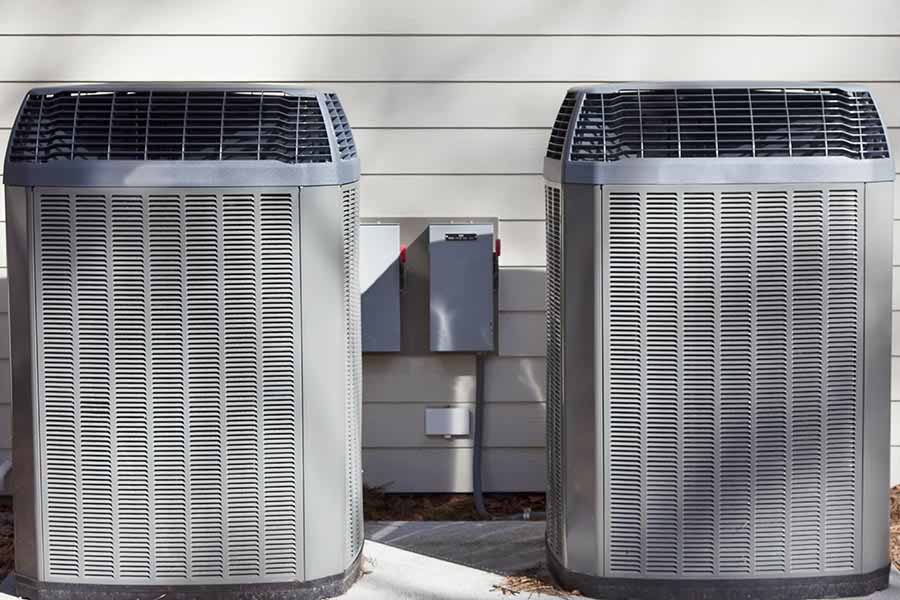
Signs It's Time for a New Heat Pump
Heat pumps usually last around 10 to 15 years, and they give you clues when they’re wearing out. If you notice any of these, it may be time to start planning.
- Rising energy bills
- Uneven temperatures between rooms
- Frequent repair calls
- The system is over 10 years old
- Loud or unusual noises
- Ice on the outdoor unit
- Weak airflow from vents
- Struggling during cold snaps
- Turning on and off constantly
- Home feels damp or sticky
One sign on its own doesn’t always mean you need a new system. When several show up together, or repairs keep stacking up, heat pump replacement is often the smarter move. We’ll give you an honest opinion on whether repair or replacement makes more sense for your home.
Our Heat Pump Installation & Replacement Process
Every job starts with a visit to your home. We look at your current system, your ductwork, your insulation, and how you use your space. This tells us what size and type of heat pump fits your house, instead of guessing based on square footage alone. We also talk through your comfort goals and your budget so there are no surprises later.
Next, we run a load calculation to size the system properly. A unit that’s too big cycles on and off too often, and one that’s too small never quite keeps up. Either problem wastes energy and wears out equipment early. Once we agree on the right system, we go over your options and give you a clear price before any work begins.
On installation day, we protect your floors and work areas, remove the old equipment, and set up the new heat pump. Our team connects the refrigerant lines, electrical components, drainage, and thermostat, and we check your ducts for leaks or issues that could hinder performance. Every step follows the same process, because doing it right the first time is how we work.
When the system is in place, we test it thoroughly. We check refrigerant levels, airflow, temperature output, and safety controls in both heating and cooling modes. Then we walk you through how everything works, show you how to use your thermostat, and answer your questions. We leave the space clean and ready for you to enjoy.
Choosing the Right Heat Pump for Your Home
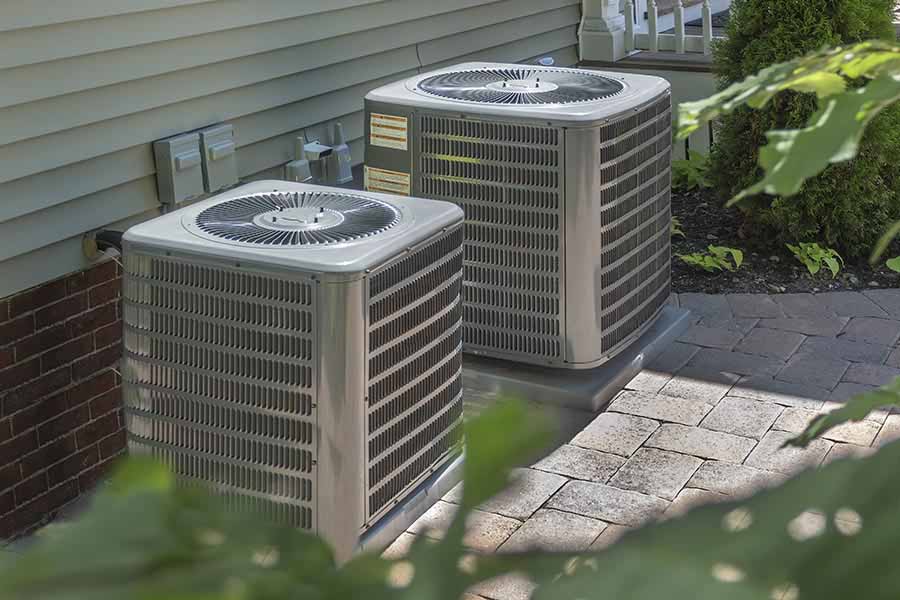
Not every heat pump is built for the same climate. In Walker, you want a cold-climate model designed to keep producing heat when temperatures drop well below freezing. Older or basic units can lose output in deep cold, which leaves you relying on backup heat more often. A properly selected system holds up much better through a Michigan January.
Size and efficiency matter too. Look at the SEER2 and HSPF2 ratings, which show how efficiently the unit cools and heats. Higher ratings usually cost more up front but can lower your monthly bills over time. Variable-speed models also run more quietly and maintain steadier temperatures than single-speed units.
Your home’s setup plays a big role. If you have good ductwork, a ducted heat pump may be a simple fit. Homes without ducts, or with additions that never got proper heating, may do better with a ductless system. Some homeowners also pair a heat pump with an existing furnace, so the furnace steps in only on the coldest days.
Humidity is another reason heat pumps work well here. Summers in West Michigan can feel heavy, and a heat pump pulls moisture out of the air as it cools. That helps your home feel more comfortable at a higher thermostat setting. Ask us about utility rebates and incentives, too, since some programs may help offset the cost of a new system.
Why Choose Sullivan Heating, Cooling, Plumbing for Heat Pump Services
Homeowners choose us for heat pump installation and replacement because we arrive prepared, respect their homes, and treat every service call as an opportunity to protect their comfort, safety, and peace of mind for years to come. Here’s what you can count on when you call us.
- 24/7 emergency service available
- Expert workmanship
- Customer first, always
- Disciplined, process-driven approach
- Job done right the first time
- Respect for your home
- Local, trustworthy team
Frequently Asked Questions
How long does heat pump installation take?
Most installations take one to two days, depending on your home and whether ductwork needs to be changed. We’ll give you a timeline before we start.
Do heat pumps work in Michigan winters?
Yes. Cold-climate heat pumps are built to heat efficiently in freezing temperatures. We help you choose a model that fits Walker Winters.
Should I repair or replace my heat pump?
If your system is over 10 years old, breaking down often, or driving up your bills, heat pump replacement may make more sense. We’ll assess your system and provide an honest recommendation.
How much does heat pump replacement cost?
Cost depends on the system size, efficiency level, and your home’s ductwork. After an in-home assessment, we provide a clear quote with no surprises.
Can a heat pump replace my furnace?
In many homes, yes. Some homeowners use a heat pump alone, while others keep a furnace as backup for the coldest days.