
Key Points
- Ductless mini split systems consist of an outdoor compressor/condenser unit and one or more indoor air handlers connected by refrigerant lines through a small wall opening — no ductwork required, making them ideal for room additions, converted spaces, and older homes where extending existing ductwork is impractical.
- According to the U.S. Department of Energy, ductless mini splits can be 25–50% more efficient than traditional ducted systems because they eliminate duct losses — which can account for 20–30% of conditioned air in a conventional system.
- West Michigan’s seasonal swings from humid summers to cold winters make year-round versatility a genuine priority, and mini splits deliver both heating and cooling from a single system — the heat pump function handles Kentwood winters efficiently, and the same system cools through summer.
- Correct sizing is the most critical factor in mini split performance — an oversized system short-cycles and fails to dehumidify (a real problem in Kentwood’s humid summers), while an undersized system runs continuously without reaching target temperatures during peak heat.
- Three priorities determine long-term mini split performance: professional installation (correct refrigerant charge, line set routing, electrical connections), annual professional tune-ups (filter cleaning, refrigerant check, electrical inspection), and outdoor unit care (clear of debris, especially during Kentwood’s cottonwood and leaf-fall seasons).
- Mini splits allow zone-by-zone temperature control — different rooms can be set independently, eliminating the waste of conditioning unused spaces that single-zone central systems can’t avoid.
- Contact Sullivan Furnace, AC Repair & Plumbing for expert ductless mini split installation, repair, and maintenance throughout Kentwood, MI and the surrounding Grand Rapids metro area.
Mini split systems have become an increasingly popular choice for Kentwood homeowners looking to upgrade their home comfort without the cost and disruption of installing traditional ductwork. Whether you have a newer home in the Pinewood Estates area, an older property near the East Paris Avenue corridor, or a home with a room addition that never quite got comfortable, a properly sized and installed mini split system can deliver precise, efficient climate control where you need it most. West Michigan’s seasonal swings from humid summers to cold winters make year-round versatility a genuine priority, and mini splits are built to handle both ends of that spectrum. Partnering with an experienced provider like Sullivan Furnace, AC Repair & Plumbing helps ensure your system is designed and installed to meet those demands, delivering consistent comfort and long-term efficiency.
Getting the most out of a mini-split investment comes down to three things: choosing the right system for your home, ensuring professional installation, and following a consistent maintenance routine. This guide covers each of those areas in detail so Kentwood homeowners understand what to expect and how to protect their investment for the long term.
Part 1: What Is a Mini Split System and How Does It Work?
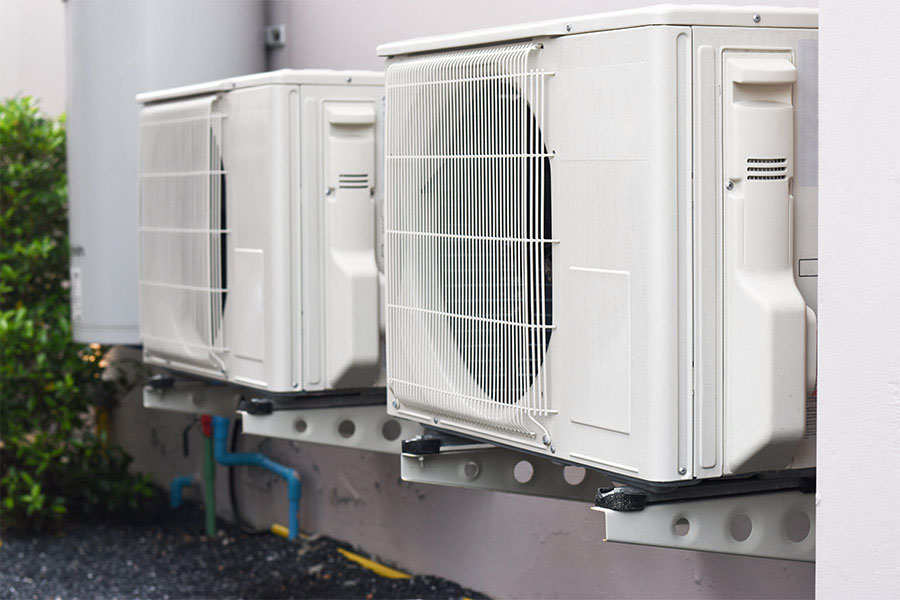
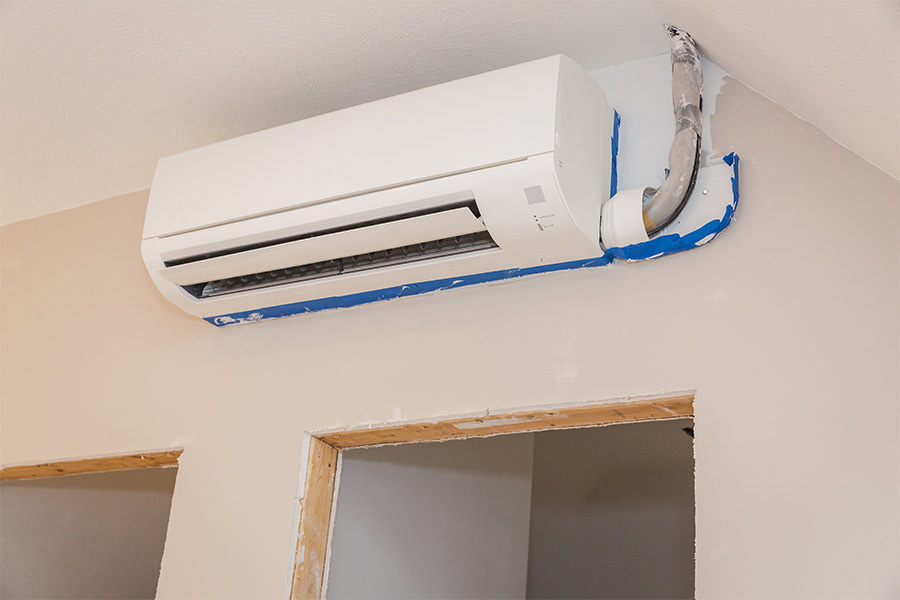
A mini split, or ductless HVAC system, consists of two primary components: an outdoor compressor and condenser unit and one or more indoor air-handling units mounted on the wall or ceiling of the spaces being conditioned. The indoor and outdoor units are connected by refrigerant lines that pass through a small opening in the wall, eliminating the extensive ductwork required by traditional central air systems.
Because each indoor unit conditions the space it serves directly, mini splits allow for zone-by-zone temperature control. Different rooms or areas of the home can be set to different temperatures independently, improving both comfort and efficiency compared to a single-zone central system, where conditioned air travels through ductwork before reaching its destination. The indoor units are compact, relatively quiet, and operated via remote control or smart thermostat integration, making them straightforward to use daily.
Professional ductless mini split installation is essential to ensuring the system performs as designed from day one. Improper installation — particularly incorrect refrigerant charging or poorly routed line sets — can undermine efficiency and shorten the life of the equipment regardless of how high-quality the unit itself is.
How mini splits handle West Michigan’s full seasonal range: In cooling mode (summer), the indoor unit absorbs heat from the room air and transfers it to the outdoor unit for rejection — exactly like a conventional AC, but without duct losses. In heating mode (winter), the process reverses: the outdoor unit extracts heat energy from the outdoor air and delivers it indoors. Modern cold-climate mini split heat pumps maintain effective heating output at outdoor temperatures well below 0°F — a meaningful capability in West Michigan winters where temperatures regularly drop into single digits in January and February. For Kentwood homeowners currently relying on electric baseboard or space heaters in rooms the central furnace doesn’t reach well, a mini split heat pump is a dramatically more efficient alternative.
Part 2: Benefits of Mini Splits for Kentwood, MI Homeowners
During our service calls throughout Kentwood, we see a wide range of homes and comfort challenges that mini-split systems address particularly well. The benefits are both practical and measurable for homeowners in this area.
Year-round climate control. Mini splits provide both heating and cooling in a single system. During Kentwood winters, the heat pump function delivers efficient warmth, and during summer, the same system handles cooling. This dual capability makes mini splits a comprehensive comfort solution rather than a seasonal one.
Enhanced energy savings. Mini splits operate without ductwork, which eliminates one of the most common sources of energy loss in traditional HVAC systems. Duct leakage can account for a significant portion of conditioned air that never reaches its intended destination. By delivering conditioned air directly to each zone, mini splits avoid that waste entirely and typically operate at higher efficiency ratings than conventional split systems.
Flexible installation options. Indoor units can be wall-, ceiling-, or recess-mounted, depending on the space and the homeowner’s aesthetic preferences. This flexibility makes mini splits a practical solution for room additions, converted spaces, detached garages, or any area of the home where extending existing ductwork would be impractical or cost-prohibitive.
Kentwood applications where mini splits are the most practical solution:
- Sunrooms and room additions — spaces added after the original HVAC system was sized, where extending ductwork is expensive and the existing system can’t handle the extra load
- Older homes near East Paris Avenue — many older Kentwood homes were built before forced-air HVAC systems were standard; mini splits provide modern comfort without major renovation
- Detached garages and workshops — standalone structures where running a duct line from the main system is impractical
- Finished basements — where existing duct runs produce uneven temperatures that a dedicated mini split zone resolves
Part 3: Choosing the Right Mini Split System Size for Your Home
Proper system sizing is one of the most critical factors in how well a mini split performs and how efficiently it operates. This is an area where professional guidance is genuinely important, and where shortcuts lead to real performance problems.
An oversized system will short-cycle, meaning it reaches the set temperature quickly and shuts off before it has run long enough to dehumidify the space properly. In Kentwood summers, when humidity can be as uncomfortable as the heat itself, a system that does not manage moisture effectively fails to deliver real comfort even if it hits the target temperature. An undersized system faces the opposite problem: it runs continuously without maintaining comfortable conditions during peak heat.
The correct sizing process involves a thorough load calculation that accounts for the square footage of each conditioned zone, the insulation levels of the space, ceiling height, window placement and efficiency, and the typical occupancy of the area. Based on what we see in Kentwood properties, homes that had their systems properly sized from the start consistently outperform those where a quick estimate was used in place of a careful calculation. A professional evaluation from a trusted provider like Sullivan Furnace, AC Repair & Plumbing ensures your system is accurately sized to match your home and comfort goals, delivering better performance and long-term efficiency.
What a proper load calculation covers for a Kentwood home: Sullivan’s sizing evaluation uses Manual J load calculation methodology — the industry standard — rather than rule-of-thumb square footage estimates. This accounts for Kentwood-specific factors including local design temperatures (outdoor design temperature for Grand Rapids metro is approximately 88°F in summer and 6°F in winter), window solar exposure, local utility rates, and the specific construction characteristics of your home. Contact Sullivan’s ductless mini split team to schedule a sizing consultation before committing to a specific system.
Part 4: Mini Split Installation and Maintenance Tips
Once the right system has been selected, professional installation and a consistent maintenance routine are what determine how that system performs over the years ahead. There are three areas every Kentwood homeowner should prioritize.
Professional installation. Mini split installation involves precise refrigerant charging, correct line set routing, and proper electrical connections. These are not tasks where approximation is acceptable. An incorrect refrigerant charge, even by a small margin, reduces efficiency and puts stress on the compressor. Trusting installation to certified HVAC technicians ensures the system is commissioned correctly and operating within manufacturer specifications from the start. Sullivan’s ductless mini split installation team handles full system commissioning including refrigerant charging, electrical, and line set routing.
Annual professional tune-ups. Scheduling a ductless mini split repair and maintenance visit each year keeps the system running at peak efficiency. During these visits, technicians clean filters, check refrigerant levels, inspect electrical components, and identify any developing issues before they become failures. The relatively modest cost of annual service is consistently offset by the energy savings and extended system life it produces.
Outdoor unit care. The outdoor condenser unit should be kept clear of debris, vegetation, and obstructions that restrict airflow. Kentwood’s seasonal cottonwood and leaf fall can accumulate quickly around outdoor units, and keeping the area around the cabinet clean supports proper airflow to the condenser coil. Professional AC coil cleaning during annual maintenance addresses the buildup that surface clearing alone cannot reach.
What annual mini split maintenance includes: Sullivan’s annual ductless mini split service covers indoor filter cleaning and inspection, outdoor coil cleaning, refrigerant level verification, electrical connection check, capacitor testing, condensate drain inspection and clearing, and a full system performance test in both heating and cooling modes. Scheduling in spring (April–May) ensures the system is fully serviced before Kentwood’s cooling season peaks; a fall check (September–October) confirms heating function before West Michigan winter arrives.
Part 5: Maximizing the Energy Efficiency of Your Mini Split System
Getting the most out of your mini split over the long term requires attention to a few key operational habits in addition to professional maintenance.
Thermostat and mode settings matter more than many homeowners realize. Using the system’s built-in eco mode when appropriate, adjusting set points seasonally, and avoiding large temperature swings that force the system to work harder than necessary all contribute to lower energy consumption. Mini splits are most efficient when maintaining a relatively consistent temperature rather than recovering from large setpoint changes.
Indoor unit placement also affects performance. Units installed in locations exposed to direct sunlight or significant drafts will work harder to maintain set temperatures. If you are planning an installation, discussing placement options with your technician ensures the indoor unit is positioned for optimal performance in the specific space it is serving.
Filter maintenance between professional service visits is also important. Clogged indoor unit filters restrict airflow, forcing the system to work harder and increasing energy consumption while putting stress on internal components. Regularly checking and cleaning filters — particularly during periods of heavy use — is a simple habit that supports consistent performance. Pairing your mini split system with proper AC furnace air filter replacement practices across all of your home’s HVAC equipment keeps your overall indoor environment cleaner and your systems running more efficiently.
Smart thermostat integration for Kentwood mini split systems: Many modern mini split systems support Wi-Fi enabled control via a manufacturer app or integration with third-party smart home platforms. This allows scheduling, remote temperature adjustment (useful when returning home after a Kentwood winter weekend away), and usage monitoring that shows exactly how much energy each zone is consuming. Sullivan’s thermostat repair and installation team can advise on smart control compatibility for your specific mini split system and handle any integration work needed.
Key Takeaways
Ductless mini splits are one of the most efficient and versatile comfort upgrades available to Kentwood, MI homeowners — the DOE confirms they can deliver 25–50% better efficiency than traditional ducted systems by eliminating duct losses (which account for 20–30% of conditioned air in conventional systems). Three factors determine long-term performance: correct sizing via Manual J load calculation (not rule-of-thumb estimates), professional installation with accurate refrigerant charging and proper line set routing, and annual maintenance that includes coil cleaning, refrigerant verification, and electrical inspection. The oversized-system problem — short cycling that fails to dehumidify — is a specific risk in Kentwood’s humid summers; proper sizing prevents it. Cold-climate mini split heat pumps maintain effective heating at single-digit outdoor temperatures, making them a practical year-round solution for West Michigan’s full seasonal range. Keep outdoor units clear of Kentwood’s seasonal cottonwood and leaf fall, and clean indoor filters regularly between professional service visits. Contact Sullivan Furnace, AC Repair & Plumbing for ductless mini split installation, annual maintenance, and repair throughout Kentwood, MI and the Grand Rapids metro area.
Getting the Most From Your Mini Split Investment in Kentwood
A properly sized, professionally installed, and consistently maintained mini split system is one of the most efficient and versatile comfort solutions available to Kentwood homeowners. The combination of zoned control, ductless efficiency, and year-round heating and cooling capability makes these systems a strong long-term investment for a wide range of homes and applications across the area. Partnering with a trusted expert like Sullivan Furnace, AC Repair & Plumbing helps ensure your system delivers consistent performance, energy savings, and reliable comfort for years to come.
When you are ready to explore whether a mini split is the right fit for your home, contact our team today to schedule a consultation. We will assess your space, walk you through your options, and ensure you have everything you need to make a confident, informed decision about ductless mini split installation in your Kentwood home.
Frequently Asked Questions
Are mini splits effective for heating in West Michigan winters? Yes — modern cold-climate mini split heat pumps maintain effective heating output at outdoor temperatures well below 0°F. The Grand Rapids metro’s winter design temperature of approximately 6°F is well within the operating range of current cold-climate units. For Kentwood homeowners using electric baseboard heaters or space heaters in rooms the central furnace doesn’t reach well, a mini split heat pump is significantly more efficient. Contact Sullivan to discuss cold-climate model options.
How many indoor units do I need for my Kentwood home? Each indoor unit serves one zone (one room or open area). A single-zone system pairs one outdoor unit with one indoor unit — appropriate for a room addition, sunroom, or finished basement. Multi-zone systems pair one outdoor unit with two to five or more indoor units — appropriate for conditioning multiple rooms independently. Correct zone count is determined by the load calculation, not by the number of rooms alone. Sullivan’s sizing consultation determines the right configuration for your specific home.
What’s the difference between a mini split and a traditional central AC system? A central AC system uses ductwork to distribute conditioned air throughout the home from a single air handler — one thermostat controls the whole system. A mini split delivers conditioned air directly to each zone without ductwork, and each indoor unit can be set independently. Mini splits eliminate duct losses (20–30% of conditioned air in conventional systems) and allow zone-by-zone control, but require a separate indoor unit for each zone. For homes without existing ductwork, or with problem rooms a central system doesn’t condition well, mini splits are typically the more practical and efficient choice.
How often do I need to service my mini split system? Annual professional service is recommended — spring for cooling season preparation, or fall for heating season preparation. Between professional visits, clean the indoor unit’s washable filter monthly during heavy use periods. Kentwood’s cottonwood season (late May) and leaf fall (October) require extra attention to outdoor unit clearance. Schedule your annual service with Sullivan to keep the system performing at rated efficiency.
Can Sullivan install a mini split in an older Kentwood home without existing ductwork? Yes — ductless mini split installation requires only a small wall penetration for the refrigerant lines and electrical connections. No ductwork is needed. This makes mini splits an excellent fit for older Kentwood homes near the East Paris Avenue corridor and similar neighborhoods where adding central ductwork would require significant renovation. Sullivan handles full ductless mini split installation including electrical work, refrigerant charging, and system commissioning.