
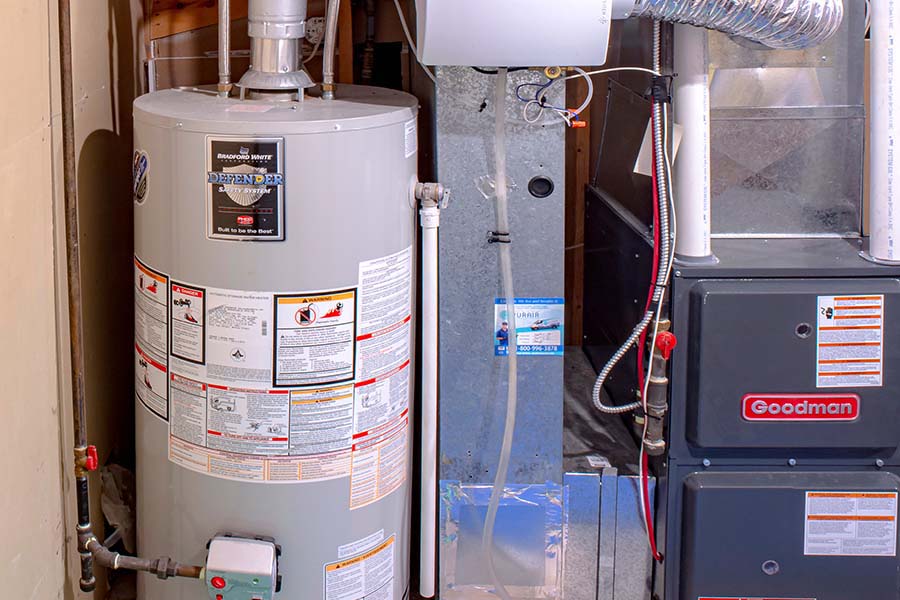
If you’re in Rockford, MI, and you’ve noticed unexpected puddles, strange noises, or discolored hot water, your water heater may be signaling that it needs attention. Temperature fluctuations, rust in your pipes, leaks, and rising energy bills are all key warning signs worth taking seriously, especially in older units that have been in service for years. At Sullivan Furnace, AC Repair, & Plumbing, our technicians provide professional water heater repair throughout Rockford, including homes near the Rogue River and neighborhoods around Northland Drive, where we regularly see these warning signs surface as Michigan’s colder months put extra strain on aging systems. Let’s walk through these ten signs in detail so you know what to watch for and when it’s time to call a professional.
Signs of Water Damage
Unexpected puddles or damp spots near a water heater are never something to overlook, since they often point to a leak that will only get worse over time. Ignoring these signs can lead to more extensive issues, including mold growth or structural damage to the surrounding area.
Water stains on walls or ceilings near the unit often indicate a leak that’s been developing for a while. A consistently damp floor around the water heater is another clear red flag, as is a musty smell or peeling paint nearby. Water pooling around the base of the unit is one of the clearest signs that something needs professional attention right away. Addressing these signs early protects both your home and your family’s health, and it’s best handled through a proper inspection rather than guesswork.
Recognizing Unusual Noises From Your Water Heater
Unusual noises coming from a water heater are a sign that shouldn’t be ignored. From rumbling to hissing, these sounds often point to specific underlying issues that a trained technician can pinpoint quickly.
Common Noises Explained
Popping or rumbling sounds often indicate sediment buildup at the bottom of the tank, which can cause overheating and lead to more serious issues over time. High-pitched whines or screeches can signal a failing pressure relief valve, a component that plays an important safety role and shouldn’t be left unaddressed. A hissing noise may point to a leak, which is a clear signal that professional evaluation is needed. Clanking sounds often indicate loose parts or debris inside the tank.
Potential Causes Identified
Rumbling or popping sounds frequently point back to sediment accumulation causing the tank to overheat during normal operation. Hissing or sizzling noises are commonly associated with leaks, which should never be ignored given the risk of water damage. High-pitched whining often suggests a malfunctioning pressure relief valve, while banging noises can point to loose pipes or internal tank damage. Because these issues involve pressurized components and internal tank conditions that aren’t visible from the outside, working with a professional like Sullivan Furnace, AC Repair, & Plumbing ensures the actual cause gets identified rather than guessed at.
Why Is My Hot Water Discolored?
Discolored water coming from the hot water tap is frustrating, and it usually signals an underlying issue with the water heater itself. A few common causes tend to be responsible.
Rusty pipes can leach rust into the water supply, giving it a brownish tint. Sediment buildup inside the tank accumulates over time and can create murky water once heated. A failing anode rod can lead to corrosion inside the tank that directly affects water quality. In some cases, the issue traces back to the municipal water supply rather than the unit itself. Because it can be difficult to tell these causes apart without inspecting the tank directly, a thorough evaluation through water heater repair is the most reliable way to identify the actual source and get water quality back to normal.
Understanding Water Heater Temperature Fluctuations
Discolored water is just one sign that a water heater needs attention. Temperature fluctuations are another important issue to watch for. Sudden bursts of cold water or inconsistent heating during a shower are signs that the system is struggling to keep up with demand.
A failing thermostat, sediment buildup, or issues with the heating elements can all contribute to these fluctuations. Left unaddressed, temperature inconsistencies tend to worsen over time and can eventually lead to complete water heater failure. Staying attentive to these changes and scheduling an inspection with Sullivan Furnace, AC Repair, & Plumbing helps catch the underlying cause before it turns into a bigger repair.
What to Do About Water Heater Leaks
Discovering a leak calls for quick action to limit further damage. Turning off the power and shutting off the water supply to the unit is the first priority, since this helps prevent both electrical hazards and continued water loss.
Assessing whether the leak is coming from a connection point or the tank itself helps determine the right next step, though this distinction is often clearer to a trained technician than to a homeowner working from the outside. Placing a bucket or towels around the area can help manage water accumulation in the meantime. Beyond that, bringing in a professional ensures the leak gets diagnosed and repaired correctly the first time, whether that means a targeted repair or, for older units, water heater replacement and installation.
How to Identify Foul Odors From Your Water Heater
Strange odors coming from a water heater can point to a few different underlying issues. A rotten egg smell often indicates a buildup of hydrogen sulfide gas, sometimes produced by bacteria inside the tank, particularly when water temperature runs low or sediment has accumulated.
A musty odor may suggest mold or mildew developing near the unit due to excess moisture. A metallic smell can point to rust or corrosion within the heater or surrounding plumbing, which can escalate into a more serious issue if left unaddressed. Any unusual or strong chemical scent deserves prompt attention, since it could indicate a gas-related issue that requires immediate professional evaluation to ensure safety.
When Higher Energy Bills Indicate Water Heater Issues
A noticeable jump in energy bills is often one of the clearest signs that a water heater isn’t operating efficiently. A few related signs tend to show up alongside rising costs. Inconsistent water temperature suggests the unit isn’t heating properly, while banging or popping sounds point to sediment buildup reducing efficiency. Visible leaks around the heater indicate the system is working harder than it should just to keep up, and any unit over ten years old is likely operating well below the efficiency of newer models. Based on what we see in Rockford properties, addressing these efficiency issues early tends to save homeowners meaningfully on energy costs over time.
Evaluating Rusty or Corroded Pipes in Your Plumbing
Rusty or corroded pipes pose a hidden risk to a home’s plumbing system, contributing to leaks and water quality problems that often go unnoticed until they become serious. A reddish tint in tap water or a metallic taste are both signs worth investigating.
Visible rust or flaking on exposed pipes is a clear signal that corrosion has already begun. Unusual leaks or damp spots elsewhere in the home can also point to corrosion that’s spread beyond the water heater itself. Because rusty pipes can affect both plumbing integrity and water quality, addressing them early through a professional plumber visit helps prevent a smaller problem from becoming a major and costly one.
The Impact of Age on Your Water Heater’s Performance
As water heaters age, certain performance issues tend to become more common, and understanding typical lifespan expectations helps homeowners plan ahead rather than react to a sudden failure.
Common Age-Related Issues
Reduced hot water supply often develops as sediment buildup interferes with heating efficiency over time. Rusty water can appear as corrosion develops inside older tanks. Strange noises, particularly banging or popping, frequently indicate sediment accumulation. A leaking tank is one of the more serious age-related issues, since it can lead to significant water damage if not caught early. Recognizing these signs allows homeowners to act before a manageable issue turns into an emergency.
Lifespan Expectations Explained
Most water heaters last between eight and twelve years, though actual performance varies considerably based on maintenance history and usage. As units age, a decline in efficiency often shows up as higher energy bills and less consistent hot water. Even well-maintained units eventually experience wear from rust, sediment, and aging internal components, which is why units approaching the end of their expected lifespan deserve closer monitoring for early warning signs.
Maintenance for Older Units
Older water heaters benefit from more frequent attention to keep performing reliably. Regular tank flushing helps remove sediment buildup that would otherwise reduce efficiency over time. Periodic anode rod inspection helps prevent internal corrosion, while keeping an eye out for leaks around the unit can catch developing issues early. Testing the pressure relief valve is an important safety check that confirms the unit can properly manage internal pressure. Because several of these checks involve internal tank components, scheduling this maintenance with a professional ensures nothing gets missed.
What to Do About Poor Water Pressure
A sudden drop in water pressure is worth addressing promptly, since it can point to a range of underlying issues. Checking for visible leaks around fixtures and pipes is a reasonable first step, since even a small leak can meaningfully affect pressure throughout the home.
Mineral buildup in faucet aerators and showerheads can also restrict flow and mimic a bigger pressure problem. Beyond these basics, older pipes can corrode or develop blockages that affect pressure throughout the plumbing system, and diagnosing this accurately requires a professional assessment. If the water heater itself turns out to be the source of the pressure issue, it may point to a need for repair or replacement rather than a plumbing fix elsewhere in the home. For situations involving gas-powered units, our gas leak repair service ensures any safety-related concerns get addressed properly alongside the pressure issue.
Keeping Your Rockford Home’s Water Heater Reliable
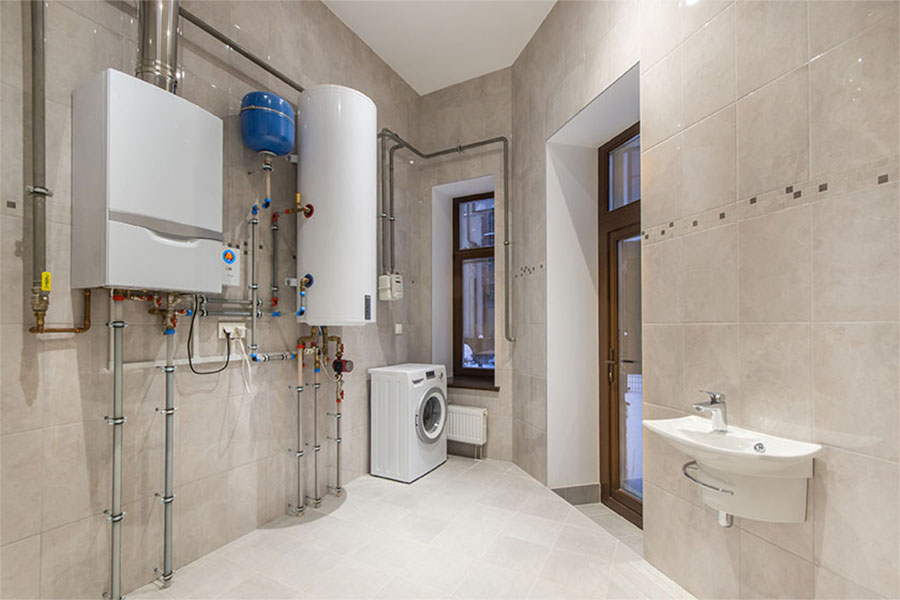
These ten warning signs are easy to dismiss individually, but together they paint a clear picture of when a water heater needs professional attention. Waiting until a unit fails completely almost always costs more, both in repair expense and in the inconvenience of going without hot water, than addressing a warning sign early.
The team at Sullivan Furnace, AC Repair, & Plumbing has spent years helping Rockford homeowners catch these issues before they become emergencies. If you’ve noticed any of the signs above, contact our team today and let us help keep your home’s hot water running reliably.