





Wyoming grew fast in the years following World War Two, when factory jobs pulled families into the area and entire blocks of modest, closely built homes went up in a short span of time. A lot of those neighborhoods are still standing today, which means a large share of the city’s cooling equipment tends to reach the end of its life around the same era. Sullivan Furnace, AC Repair & Plumbing has repaired AC systems throughout Wyoming’s established neighborhoods as well as its newer developments near Site 36, and we know how to get a system running again no matter its age. When your cooling stops keeping up, we’re ready to help.
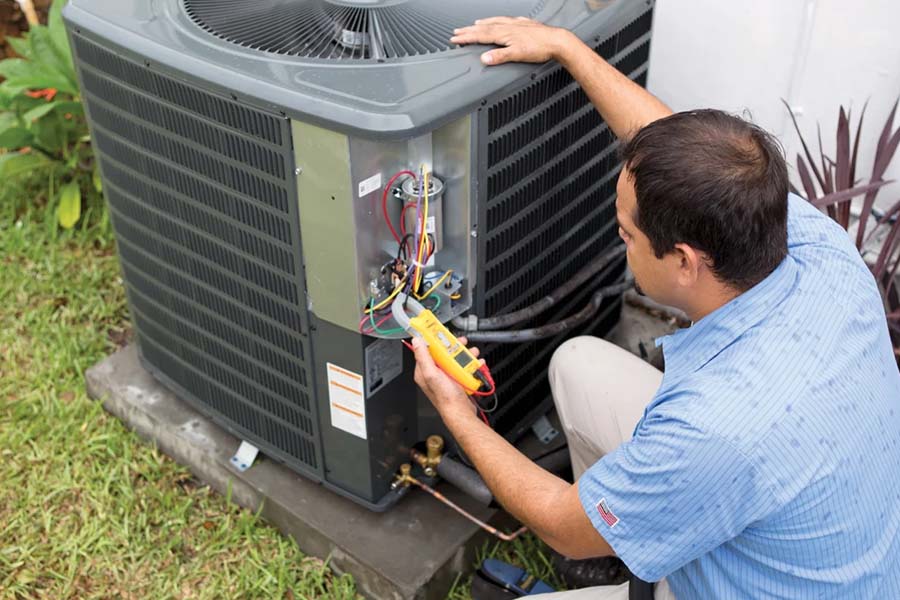
Every repair call starts with the fundamentals, checking refrigerant levels, testing electrical components, and inspecting the condenser and coils for wear. In many of Wyoming’s older neighborhoods, mechanical closets and basement installations are tighter than what you’d find in a newer home, so our technicians work carefully to access equipment without disrupting the rest of the space. Homes built during the city’s postwar growth years often still run original or early-replacement ductwork, and we check that airflow hasn’t been compromised over the decades.
In Wyoming’s newer developments, the focus shifts a bit. These homes typically have more efficient systems already in place, so repairs are more likely to involve a specific component failure than a broader airflow issue. Either way, we walk you through exactly what’s wrong and what it will take to fix it.
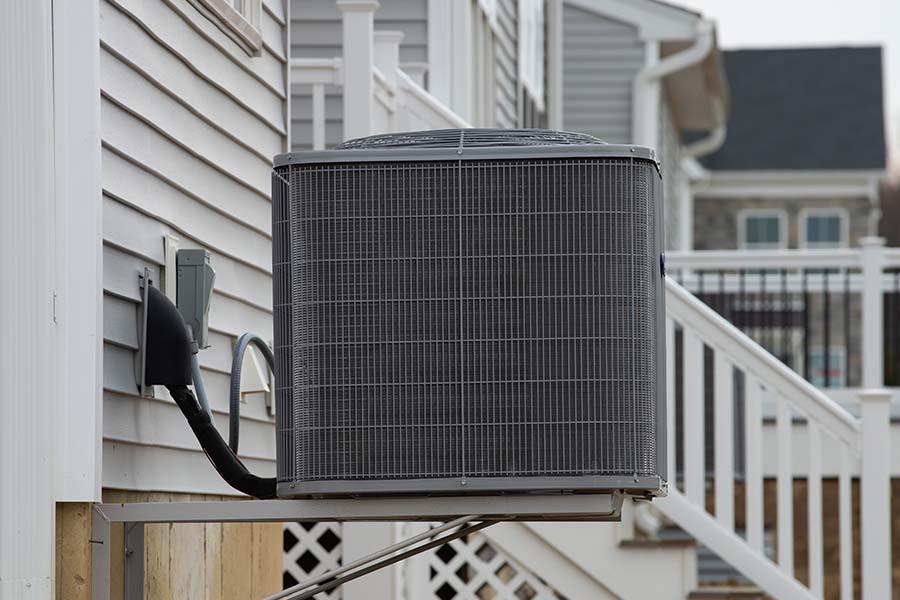
Whether your home dates back to Wyoming’s postwar boom or was built more recently, certain signs point clearly to a system that needs attention. Watch for these indicators.
Catching these issues early usually keeps repair costs down and prevents a full breakdown during a heat wave.
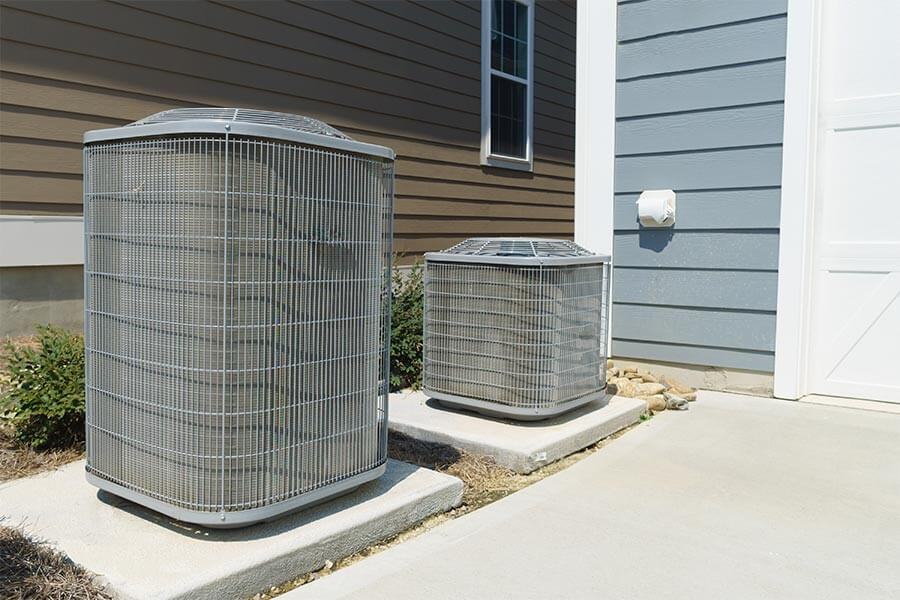
A big share of Wyoming’s housing stock went up quickly during a specific stretch of the city’s history, which means clusters of homes in the same neighborhood often have equipment installed around the same time. When a system reaches the end of its expected lifespan, homeowners nearby frequently run into similar issues within the same year or two, since the equipment was aging on a similar timeline to begin with. Compact mechanical spaces in these older homes can also restrict airflow to the unit itself, adding stress that shows up as more frequent repairs.
The busy 28th Street corridor adds another factor for homes located nearby. All that pavement and commercial density holds heat longer into the evening than a quieter residential block would, and homes close to the corridor can see slightly higher outdoor temperatures during peak summer hours. That extra heat load, combined with aging equipment in many of Wyoming’s original neighborhoods, is a common combination behind unexpected breakdowns.

Angela, who lives in the Godwin Heights area, called us after her AC started tripping the breaker every time it tried to start up on hot afternoons. Her home was built during Wyoming’s early growth years, and the electrical panel serving the system hadn’t been updated since a previous owner replaced the AC unit more than a decade earlier. Our technician found that the start capacitor had failed and was pulling excess current at startup, which was enough to trip the breaker before the compressor could fully engage.
Replacing the capacitor and confirming the electrical connections were solid had the system starting up normally again the same day. Angela mentioned she’d been resetting the breaker herself for almost two weeks, assuming it was just an old house quirk. It’s a repair we see often in Wyoming’s original postwar neighborhoods, where components installed years ago finally reach the point where they need replacing.
From the city’s oldest blocks to its newest developments, Wyoming homeowners deserve a repair team that takes the job seriously every time. Here’s what you can expect from us.
Sullivan Furnace, AC Repair & Plumbing is proud to serve Wyoming with the same commitment to quality on every single call.
A failing start capacitor or a compressor drawing excess current at startup are common causes, and both should be checked by a technician to prevent further electrical strain.
Yes, in neighborhoods built during the same era it’s common for equipment to be installed around the same time, which means nearby homes often need repairs or replacements in similar timeframes.
It can. Pavement and buildings in busy commercial areas tend to hold heat longer, which adds a bit more load to nearby home cooling systems during peak summer hours.
Very limited clearance around indoor equipment can restrict airflow and make maintenance more difficult, so it’s worth having a technician confirm your setup meets manufacturer spacing guidelines.
Repeated repairs can be a sign that the underlying system is nearing the end of its lifespan, and a technician can help you weigh the cost of continued repairs against replacement.