





Walker grew up on rolling farmland along the Grand River, and a good number of its neighborhoods still carry that mid-century footprint, with long, single-story ranch homes built during the city’s boom years in the 1960s and 70s. That style of home puts a different kind of load on a cooling system than a two-story or split-level layout does, and equipment that’s been running for decades often shows its age all at once. Sullivan Furnace, AC Repair & Plumbing has repaired systems across Walker’s older ranch neighborhoods as well as its newer developments, and we know how to track down a cooling problem quickly no matter the home’s age or layout. If your system needs attention, we’re ready to get it sorted.
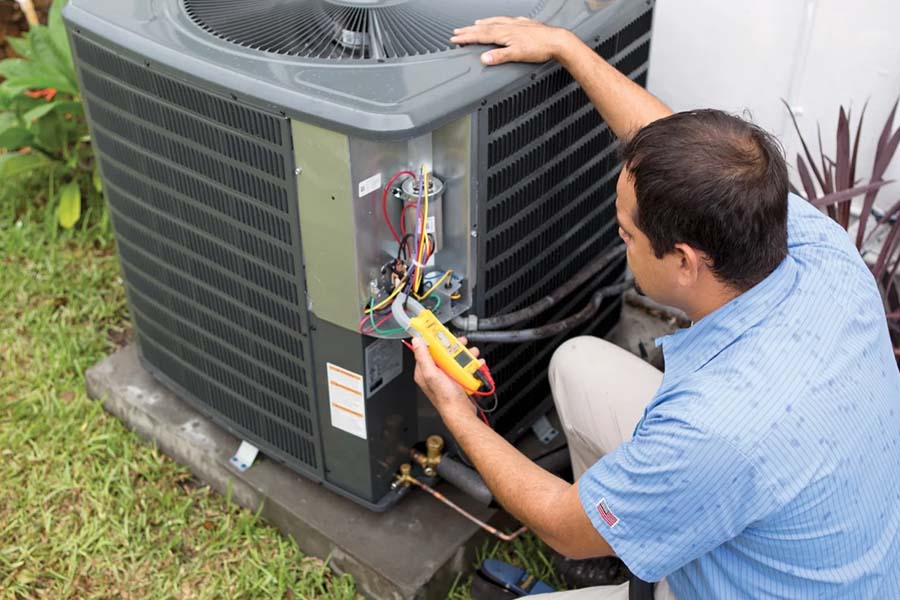
A ranch home with a long, stretched out floor plan needs a system that can push air evenly from one end of the house to the other, and that’s often where things start to break down in older Walker homes. We check duct runs for restrictions, test blower performance, and confirm that rooms furthest from the unit are actually getting the airflow they need. On top of that, we inspect refrigerant charge, electrical components, and the condenser itself, since equipment installed decades ago wasn’t built with today’s efficiency standards in mind.
For homes near the Grand River corridor, we also take a look at crawl space conditions where ductwork or equipment may be exposed to added moisture. Once we’ve pinpointed the cause, we explain your repair options clearly so you can make a decision that fits your home and your budget.
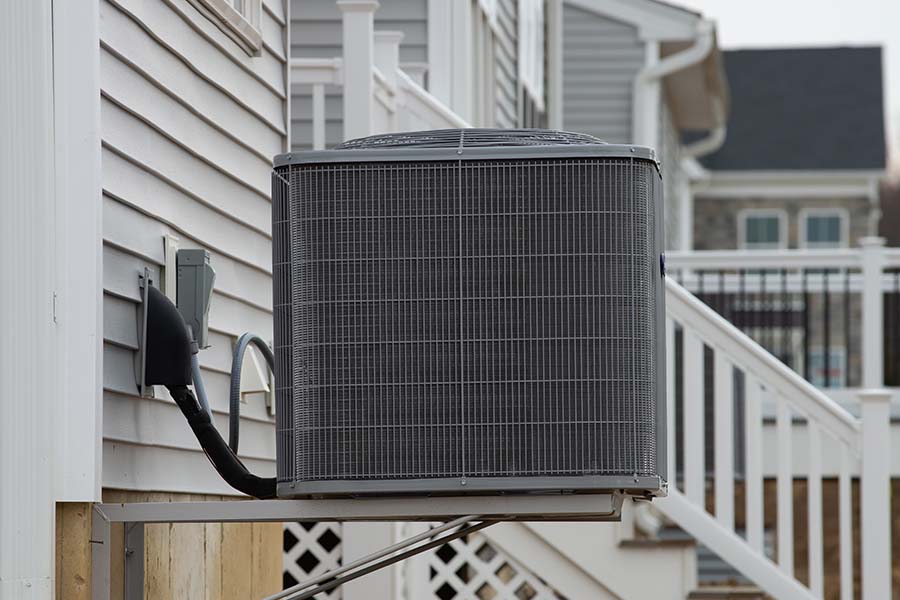
Older ranch homes in Walker tend to develop cooling problems gradually, often starting with one part of the house before spreading. These are the warning signs worth paying attention to.
Any of these can point to a system that’s falling behind, and getting it checked early usually means a simpler, less costly repair.
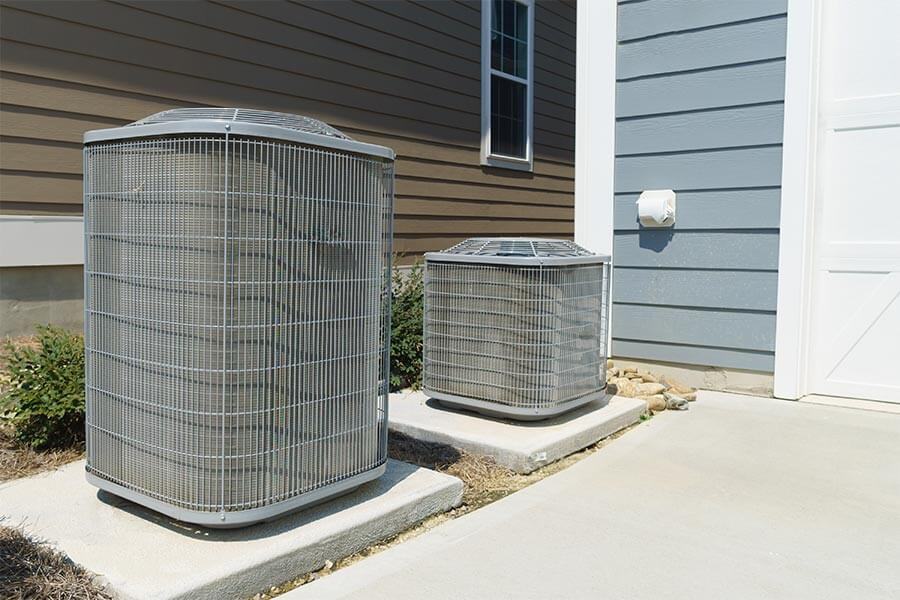
A lot of Walker’s housing stock dates back to the city’s incorporation years in the 1960s, when ranch style homes went up quickly across former farm fields. Equipment in these homes has often been replaced once or twice already, but ductwork sized for the original build doesn’t always keep pace with newer, more efficient units, leading to airflow problems that show up as uneven cooling from room to room. Long, single-level duct runs also lose pressure over distance, which is part of why the far end of a ranch home is usually the first to struggle.
The Grand River running along Walker’s eastern edge adds another factor. Homes closer to the river corridor can deal with damp crawl spaces, especially after heavy spring rain, and that moisture accelerates corrosion on equipment and ductwork located below the main living space. Combine aging equipment with humidity exposure and a duct system that was never updated, and it’s easy to see why breakdowns tend to cluster in certain parts of the city.

Kevin, a homeowner in the Standale neighborhood, called us because the two bedrooms at the back of his ranch home never seemed to cool down, even when the rest of the house felt comfortable. His home was built in the early 1970s, and the ductwork ran the full length of the house from a single trunk line. Our technician found that the duct run losing the most pressure fed exactly those two bedrooms, and years of minor leaks along the way had made the problem worse.
After sealing the leaks and adjusting the duct dampers to balance airflow across the home, both bedrooms started cooling in line with the rest of the house. Kevin said he’d been closing the vents in the living room for years trying to force more air to the back, which had actually been making the imbalance worse. It’s a fix we see often in Standale’s older ranch homes, where a long floor plan needs ductwork that’s still doing its job the way it was designed to.

Whether your home dates back to Walker’s earliest ranch developments or was built more recently, you deserve a team that shows up prepared and treats the job seriously. Here’s what Walker homeowners can count on from us.
Sullivan Furnace, AC Repair & Plumbing shows up ready to solve the problem, not just patch it, so you can trust your system for years to come.
This is often caused by duct pressure loss over a long run, duct leaks, or blocked vents, all of which are common in older, single-story homes with long floor plans.
Yes, excess moisture in a crawl space can corrode ductwork and equipment over time, which is a concern for homes located closer to the Grand River corridor.
Most systems last between 12 and 15 years with regular maintenance, though homes with ductwork issues or humidity exposure may see equipment wear out sooner.
Yes, ductwork that was sized for an older, less efficient system often needs adjustments or sealing when a newer, more efficient unit is installed to keep airflow balanced.
Closing vents to force air elsewhere can actually strain your system further, so it’s best to have a technician check for duct leaks or pressure imbalance instead.