





Spring Lake takes its name from the natural springs that feed the lake itself, keeping the water noticeably cooler than a typical inland lake and creating a persistent, low hanging mist around the shoreline that lingers longer than the fog you would find around a standard pond. During the village’s lumber boom in the late 1800s, timber barons built grand estate homes along that same shoreline, many of which still contain original steam radiator systems in parts of the house even after later additions brought in forced air furnaces. Sullivan Furnace, AC Repair & Plumbing has worked in these hybrid heated estates long enough to understand how the two systems interact, or sometimes fight each other.
Away from the historic lakefront, Spring Lake’s newer neighborhoods deal with more familiar furnace considerations, though the persistent shoreline dampness still reaches a bit farther into town than most people expect.
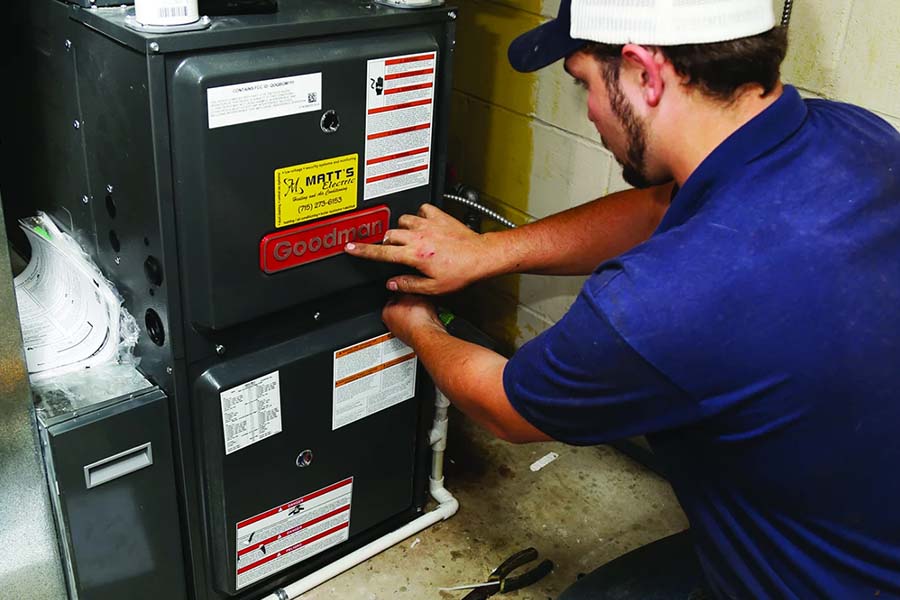
Homes along Spring Lake’s historic shoreline with both an original steam system and a later added furnace tend to show a fairly specific pattern of issues.
If your Spring Lake home combines an older heating system with a newer furnace, these signs are common and usually connect back to how the two were ever tied together.
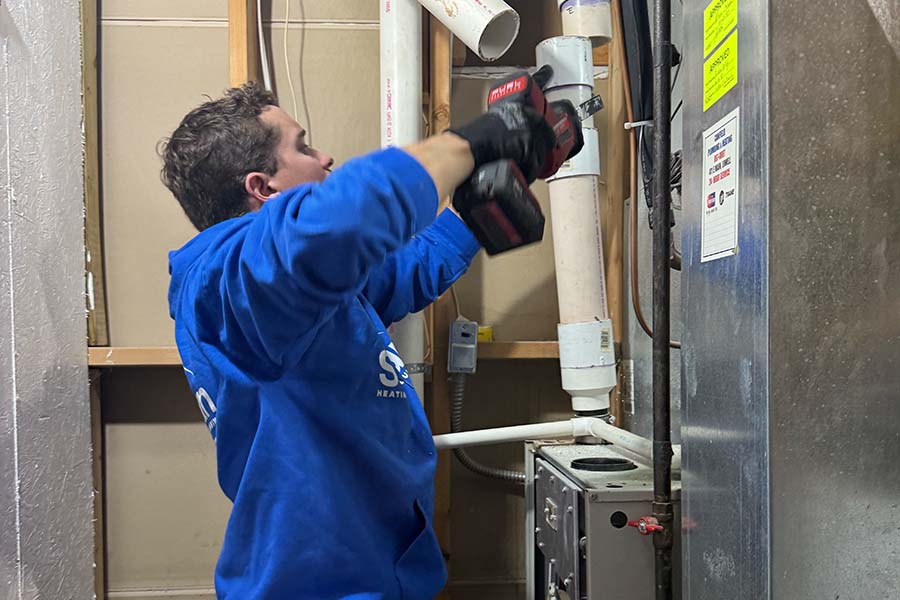
A number of Spring Lake’s grand lakefront estates were never fully converted from their original steam heat, they simply had a furnace added later to cover rooms the radiator system did not reach well, or to modernize part of the house while leaving historic rooms with their original radiators intact. That kind of layered heating history means the furnace and the old steam system sometimes end up serving overlapping spaces without much coordination between the two, leading to some rooms running warmer than intended while others rely almost entirely on aging radiators that were never designed to work alongside forced air.
The lake itself adds a different kind of moisture challenge than a typical body of water. Because Spring Lake is spring fed, its water stays cooler through more of the year, and that temperature difference between the lake and the surrounding air creates a persistent mist along the shoreline that lingers longer than it would around most inland lakes. Homes closest to the water deal with that dampness working into mechanical components and electrical connections more steadily than homes even a short distance farther inland.
Sorting out which part of a heating problem comes from the house’s layered history and which comes from the lake’s own microclimate takes a technician who has actually worked in these kinds of estates before.
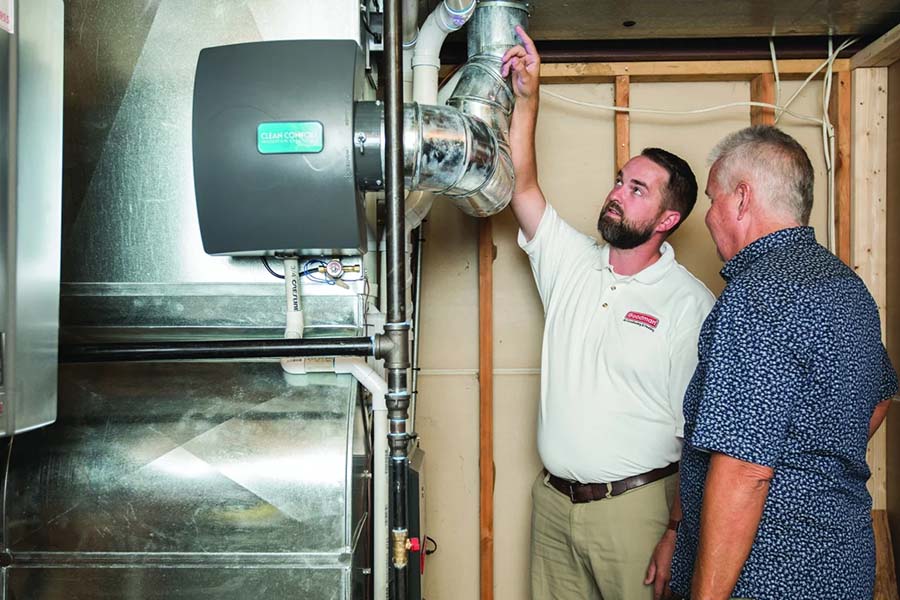
In Spring Lake’s historic lakefront estates, we look at how an added furnace and an original steam system actually divide the house before recommending any repair, since the real fix sometimes has more to do with which system is covering which rooms than with a single failing part. We work carefully within these layered heating setups rather than assuming a full system replacement is the only answer.
For any home close to the water, we also account for the steady dampness coming off the spring fed lake, checking components that tend to corrode faster in that environment than they would even a mile or two inland.
Whatever your home’s heating history looks like, emergency furnace repair is available any time you need it.
Last fall we visited Margaret, whose home along the Spring Lake shoreline had been in her family since the lumber era, with the original front rooms still warmed by steam radiators and a furnace added decades later for the back of the house and upstairs. The back bedrooms had never held heat quite as well as the historic front rooms, and that fall the gap felt more noticeable than usual.
Our technician traced the issue to a duct run serving the back bedrooms that had never been properly balanced against the radiator zones up front, leaving those rooms shorted on airflow relative to the rest of the house. After rebalancing the system, Margaret’s back bedrooms finally started matching the comfort of the historic rooms her family had always loved.

Homeowners throughout Spring Lake trust Sullivan Furnace, AC Repair & Plumbing with some of the most unique heating histories in the area.
Whether your home runs original steam heat, a newer furnace, or both together, we treat every Spring Lake repair with the same level of care.
Yes, many older homes have both, often with the furnace added later to cover rooms the original steam system did not reach well, though the two do not always work together seamlessly.
When a furnace was added without fully coordinating with an existing steam system, certain rooms can end up overlapping or competing for the same heating job.
Spring Lake is fed by natural springs that keep its water cooler than a typical lake, which creates a persistent mist along the shoreline that adds moisture to nearby homes.
Yes, ongoing dampness near the water can accelerate corrosion on furnace parts and electrical connections over time.
Yes, we provide 24/7 emergency furnace repair throughout Spring Lake and the surrounding area.