





Spring Lake takes its name from the large inland lake that connects to the Grand River through a network of bayous, and much of the village’s charm comes from homes built right along that water, many with private docks just steps from the back door. That closeness to the water gives Spring Lake a look and feel all its own, but it also means AC systems here often deal with more consistent humidity than homes set back from the shoreline. Sullivan Furnace, AC Repair & Plumbing has repaired AC systems throughout Spring Lake’s historic downtown and its waterfront neighborhoods, and we understand what it takes to keep these homes comfortable. When your system needs help, we’re ready to find out why.
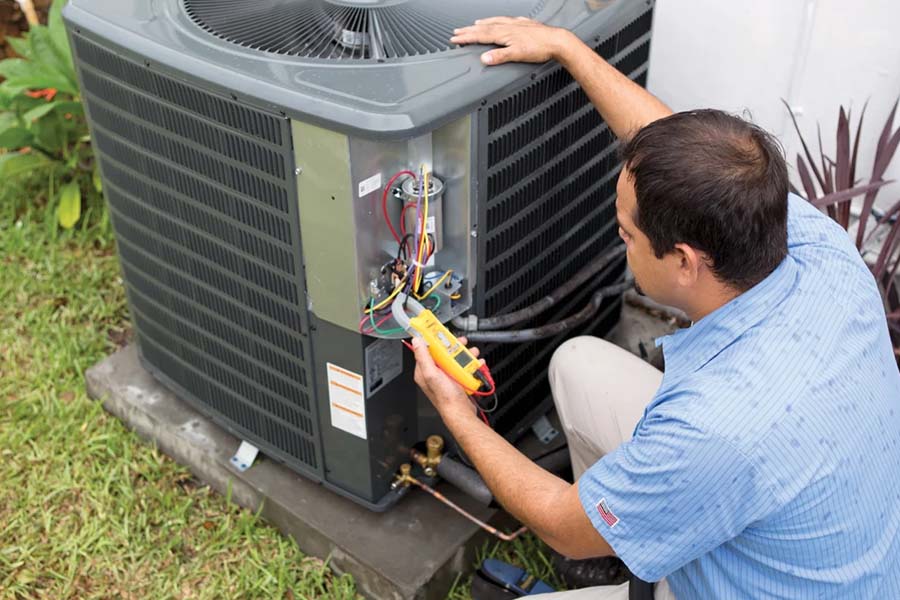
We check the fundamentals first, refrigerant charge, electrical connections, and condenser condition, but in Spring Lake we also look closely at how a home’s position relative to the water affects its system. Homes along the bayous can experience shifting water levels as the connection between the lake and the Grand River fluctuates, and that movement can bring added moisture into crawl spaces closer to the shoreline than homeowners might expect. We check for this kind of water intrusion as part of every diagnostic in these areas.
For homes in Spring Lake’s historic downtown near Savidge Street, many dating back to the village’s founding years, we also check for ductwork that was added well after the original construction, since central air wasn’t part of the plan when these homes were first built. Once we’ve identified the issue, we walk you through your options clearly.
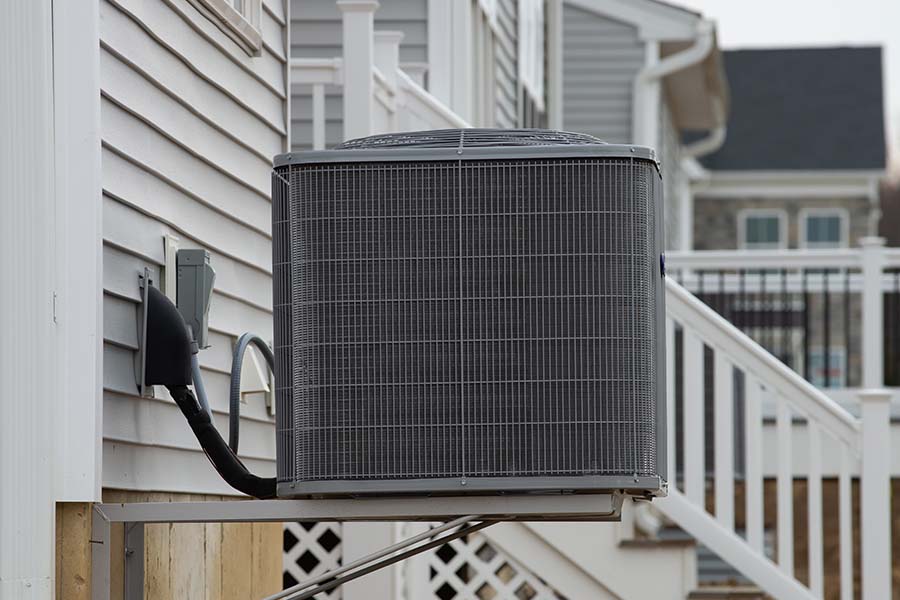
Whether your home sits along the bayou or in the historic downtown, these signs point to a system that needs attention.
If your home is showing any of these signs, having a technician check both the equipment and its surrounding conditions can help pinpoint the real cause.
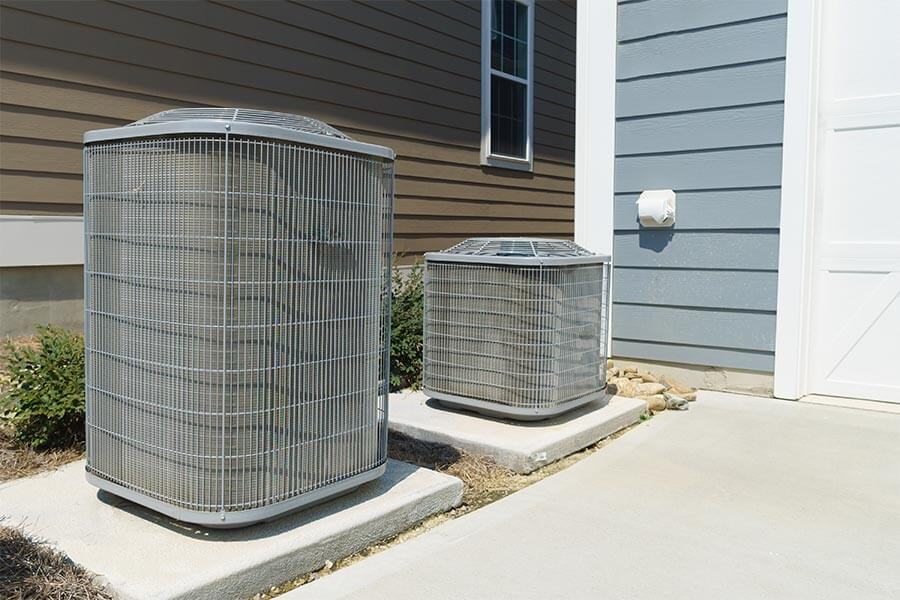
Spring Lake’s connection to the Grand River through its bayous means water levels in the immediate area can shift more than homeowners realize, and homes built close to that shoreline sometimes deal with crawl space moisture that fluctuates along with it. That added dampness gives an AC system more work to do managing humidity, and it can also affect ductwork or equipment installed close to grade over time. Homes set back even a short distance from the water tend to avoid much of this added moisture load.
Spring Lake’s historic downtown adds a different consideration. Many homes near Savidge Street date back to the village’s earliest years, long before central air conditioning existed, which means ductwork was retrofitted through spaces that weren’t originally designed for it. Between bayou-front moisture and historic retrofit challenges, Spring Lake homeowners deal with two distinct sets of AC repair needs depending on exactly where in the village their home sits.
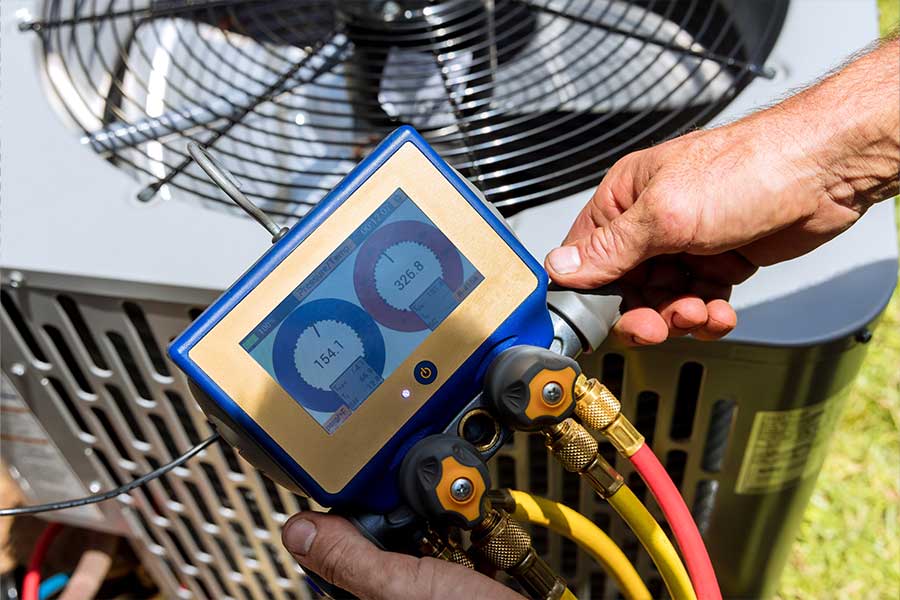
Carol, who owns a home along Lloyds Bayou with a private dock out back, called us because her AC had been running constantly without really cooling the house down, and she’d started noticing a musty smell near the crawl space access. Her home sat close enough to the water that seasonal shifts in the bayou’s level had been quietly adding moisture to the crawl space for years. Our technician found that ductwork running through that space had begun to corrode at several joints, letting conditioned air escape into the damp crawl space before it reached the living areas.
After sealing the affected duct sections and adding a vapor barrier to help manage the ongoing moisture, Carol’s system started cooling far more efficiently. She mentioned she’d always loved being so close to the water without realizing it was affecting her home’s ductwork underneath. It’s a pattern we see fairly often in Spring Lake’s bayou-front homes, where the same water views that make the village special come with a bit of extra upkeep underneath the house.

From historic homes near Savidge Street to waterfront properties along the bayous, Spring Lake homeowners want a repair team that understands the difference. Here’s what sets us apart.
Sullivan Furnace, AC Repair & Plumbing brings the same level of care to every Spring Lake home, whether it sits on the water or a few blocks back from it.
Yes, homes close to the water can experience crawl space moisture that fluctuates with water levels, and that added dampness can affect ductwork and equipment over time.
Persistent moisture, common in homes close to Spring Lake’s bayous, can cause ductwork seams to corrode or separate, letting conditioned air escape before it reaches your living space.
Many homes in this historic area had ductwork added after original construction, and those retrofitted systems can develop airflow issues or leaks over time.
A vapor barrier along with properly sealed ductwork can help manage ongoing dampness, and a technician can recommend the right approach for your specific home.
An annual inspection is a good baseline, though homes with a history of crawl space moisture may benefit from more frequent checks of ductwork and equipment.