





When a Grand Rapids winter rolls in off Lake Michigan, your furnace does not get a day off. Between the lake effect snow bands and the sharp temperature swings that hit West Michigan every year, home heating systems around Grand Rapids work harder than most. Sullivan Furnace, AC Repair & Plumbing has spent years keeping local furnaces running through everything this city’s weather throws at them.
Whether you live in a century old home near Heritage Hill or a newer build out toward Cascade, our team understands how Grand Rapids homes are put together and what tends to go wrong with their heating systems. We show up ready to diagnose the real problem and fix it right, not just patch it until next season.
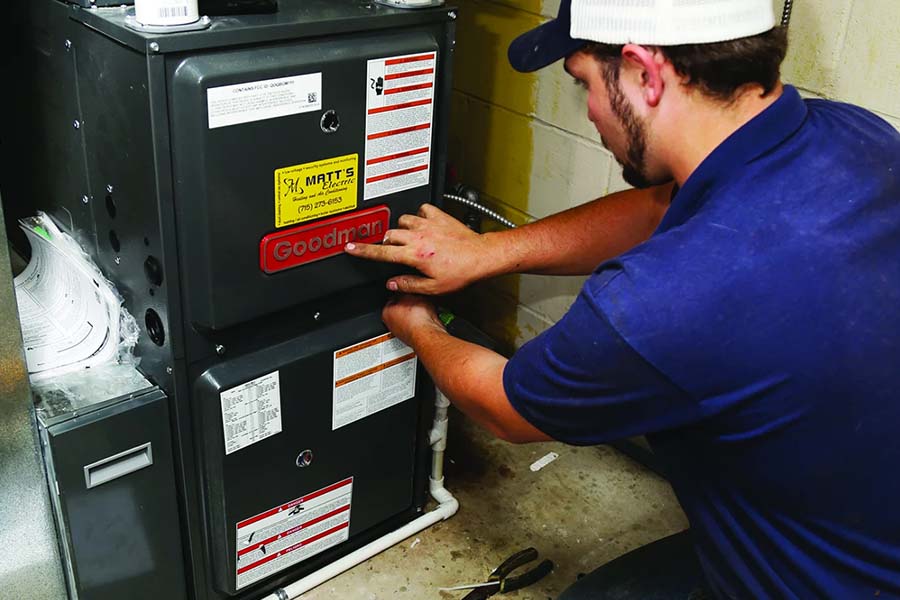
Furnace trouble rarely shows up out of nowhere. Most systems give you a few warning signs before they quit completely, especially during a tough Michigan winter.
If any of this sounds familiar, it is worth having a technician take a look before the next cold snap catches you off guard.
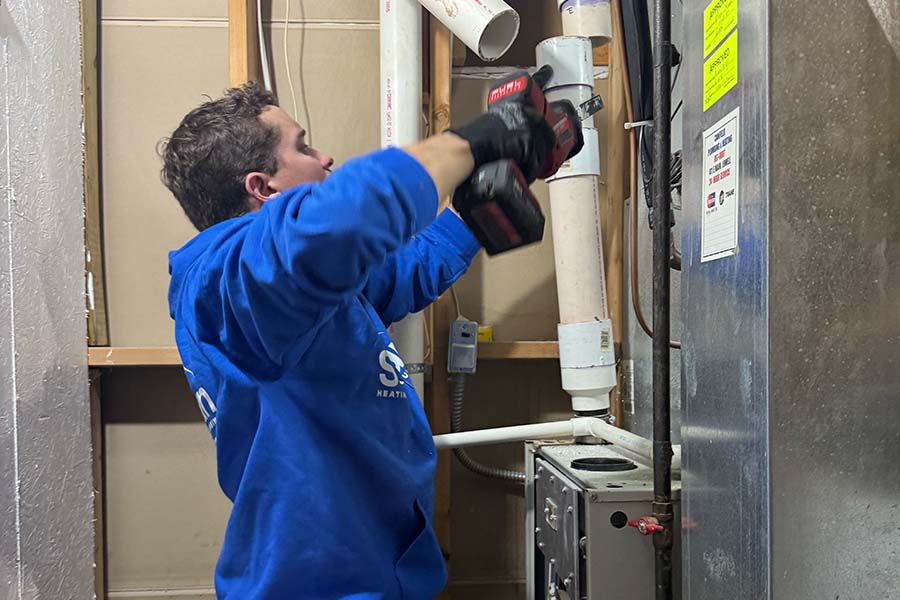
A lot of the furnace issues we see around Grand Rapids trace back to the age of the housing stock. Neighborhoods like Heritage Hill, Eastown, and the West Side are full of homes built in the early 1900s, and many still have original ductwork or aging systems that were never sized for today’s insulation upgrades. That mismatch puts extra strain on the furnace and shortens its lifespan.
Grand Rapids also sits close enough to Lake Michigan to catch the lake effect snow that dumps heavy, wet accumulation through the winter months. That kind of cold, damp weather makes ignition problems, worn blower motors, and cracked heat exchangers more common here than in drier climates. Add in the clay heavy soil common throughout Kent County, and homes can settle in ways that stress ductwork and connections over time.
We also see plenty of thermostat and wiring issues in homes that have been remodeled or added onto over the years, since older electrical systems do not always play well with newer smart thermostats.

Our furnace repair technicians handle everything from minor tune ups to major component failures. We troubleshoot ignition problems, replace worn blower motors, repair or replace cracked heat exchangers, and fix electrical and wiring issues that keep your system from cycling properly.
Every repair starts with a full diagnostic so we know exactly what is happening before we recommend a fix. We would rather explain what is actually wrong than sell you on a replacement you do not need yet. If your furnace has reached the end of its useful life, we will tell you honestly and walk you through your options.
Because Grand Rapids winters do not wait for business hours, we offer 24/7 emergency furnace repair for the nights your heat decides to quit at the worst possible time.
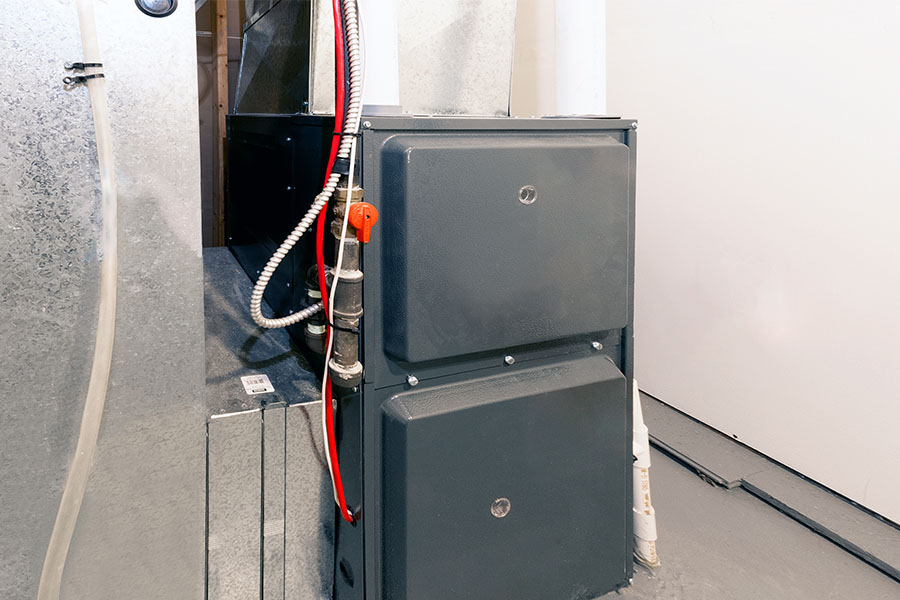
One January morning we got a call from Karen, who lives in a bungalow near Eastown, just a few blocks off Wealthy Street. Her furnace had been making a rattling noise for about a week, and that morning it stopped producing heat altogether while the temperature outside sat in the teens.
Our technician arrived within the hour and found a cracked heat exchanger, a common issue in older Eastown homes with original ductwork that was never updated. Because a cracked heat exchanger can pose a carbon monoxide risk, we shut the system down right away and walked Karen through safe replacement options that same afternoon. By evening, her home was warm again and she had peace of mind knowing the issue was caught before it became dangerous.
Homeowners across Grand Rapids keep calling us back for the same reasons.
We treat every furnace repair call as a chance to earn your trust for the long haul, not just fix today’s problem.
Most furnace repairs are completed in one visit, usually within one to two hours depending on the issue.
Yes, our technicians work on furnaces year round, including during the coldest Grand Rapids winter days.
Most furnaces should be professionally serviced once a year, ideally before the heating season begins.
Common causes include ignition problems, a faulty thermostat, airflow blockages, or a tripped safety switch.
Older furnaces can still run safely if well maintained, but they should be inspected regularly for cracks, leaks, or wear that could affect performance or safety.