





East Grand Rapids grew up around Reeds Lake in two major building waves, one in the 1920s and another in the 1950s, and that history shows up clearly in the city’s mix of brick Tudors and traditional mid-century homes. Many of these houses were built with thick masonry walls and small original footprints, long before central air conditioning was part of the plan, which creates real challenges when it comes to keeping a system running efficiently. Sullivan Furnace, AC Repair & Plumbing has repaired cooling systems throughout East Grand Rapids’ lakefront streets and historic neighborhoods, and we understand what these homes need to stay comfortable. When your system starts falling behind, we’re ready to find out why.

Homes built during East Grand Rapids’ early growth years often have ductwork that was added well after original construction, threaded through closets, plaster walls, or tight attic spaces that were never designed with a full duct system in mind. Our technicians check for the airflow restrictions that come with those retrofits, along with testing refrigerant charge and inspecting electrical components as part of a full diagnostic. Thick masonry walls common in the neighborhood’s older Tudor homes also hold heat differently than newer construction, which we factor into how we assess a system’s performance.
For homes closer to the Reeds Lake shoreline, we pay extra attention to crawl space conditions where added moisture can affect equipment or ductwork over time. Once we’ve found the issue, we explain your options in plain terms so you can decide what makes sense for your home.
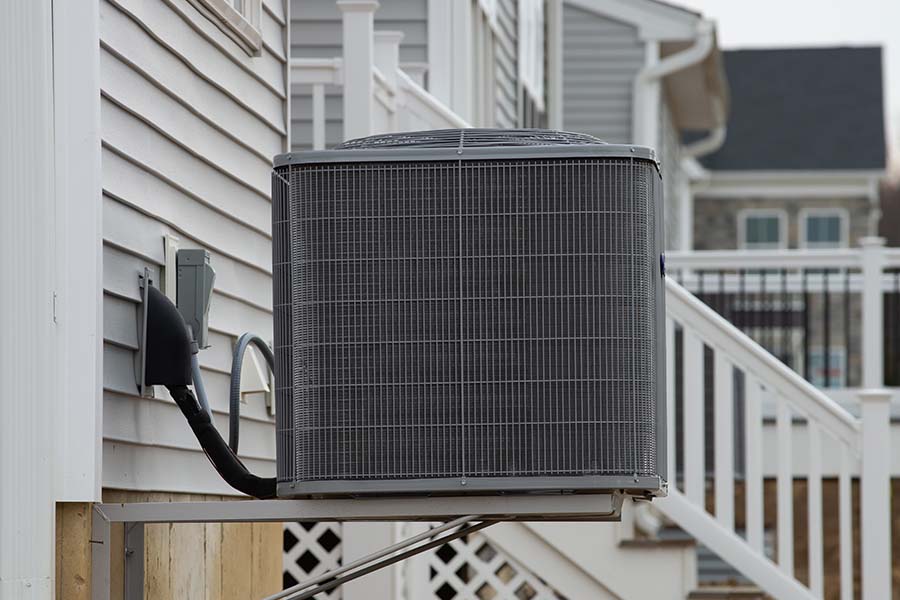
East Grand Rapids’ mix of historic construction and lakeside humidity means cooling problems can show up in a few different ways. Keep an eye out for these signs that a repair is needed.
If your home is showing any of these signs, scheduling a repair sooner rather than later helps avoid bigger problems once the humid stretches of summer set in.
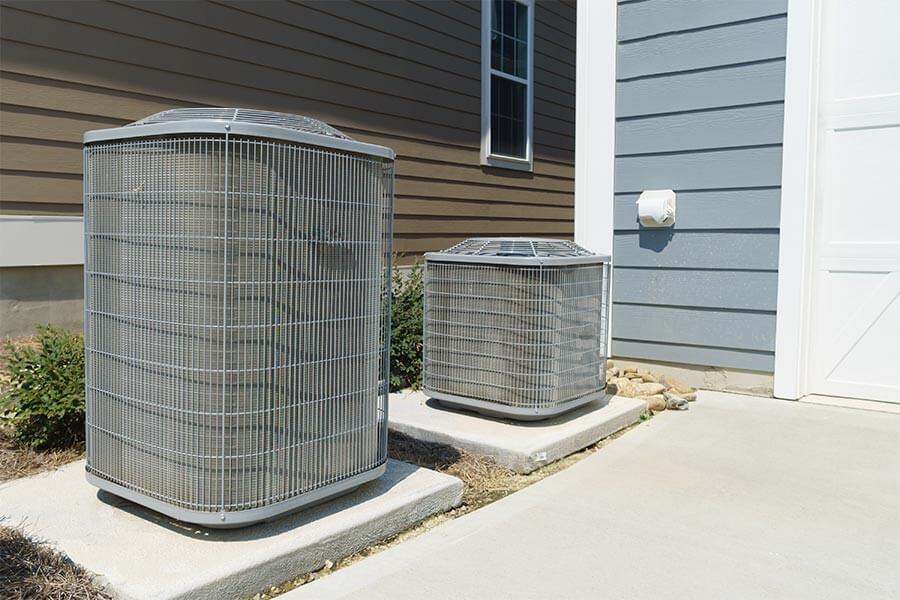
Reeds Lake adds a layer of humidity to the immediate area that homes just a few blocks inland don’t deal with quite as consistently, and that extra moisture forces cooling systems near the shoreline to work harder to keep indoor air comfortable. Combine that with the thick masonry walls found in many of East Grand Rapids’ 1920s Tudor homes, which absorb and hold heat throughout the day, and it’s easy to see why some of the city’s most charming properties are also some of the hardest to cool evenly.
Retrofitted ductwork adds another layer of complexity. Because so many homes here were built before central air was standard, duct systems were often squeezed into whatever space was available during a later renovation. That can mean tighter duct runs, more elbows and turns than an ideal design would call for, and airflow that simply can’t keep up in the home’s farthest rooms, especially during the hottest, most humid days of the year.

Sarah, who lives a short walk from Reeds Lake, called us when the upstairs of her 1920s Tudor home stayed noticeably warmer than the main floor no matter how she adjusted the thermostat. Her home’s ductwork had been added decades after the house was built, squeezed through a closet that clearly wasn’t designed for it, with several tight turns feeding the upper floor. Our technician found that those turns were cutting airflow well below what the second floor needed, and a few sections had also started to separate at the seams.
After resealing the duct joints and adjusting the system’s blower speed to compensate for the tighter path, the upstairs began cooling in line with the rest of the house. Sarah mentioned she’d assumed the upstairs heat was just part of owning an older home near the lake. It’s a pattern we see often in East Grand Rapids’ historic homes, where charming original construction sometimes means ductwork that needs a second look.

Homeowners near Reeds Lake and throughout East Grand Rapids want a repair team that respects both their historic homes and their time. Here’s what you can expect from us.
Sullivan Furnace, AC Repair & Plumbing treats every East Grand Rapids home, from a century-old Tudor to a newer build, with the same level of care.
This is common in older homes where ductwork was added after original construction, since tight duct runs with multiple turns often lose airflow before reaching upper floors.
Homes closer to the lake often experience added humidity, which means the cooling system has to remove more moisture from the air on top of managing temperature.
Yes, masonry walls absorb and release heat more slowly than newer construction, which can make some rooms feel warmer even when the system is running properly.
Yes, ductwork installed after a home’s original construction can develop leaks or airflow issues over time, especially in tight spaces that weren’t originally designed for it.
Signs include uneven cooling between rooms, weak airflow at certain vents, and higher than expected energy bills, all of which a technician can confirm with a proper inspection.