





Comstock Park sits along the Grand River, and the river’s tendency to flood each spring shapes a lot of decisions homeowners here make about their houses, including where cooling equipment gets installed. Many of the area’s brick ranch and cottage style homes have finished basements built for everyday living, but those same basements can take on water during a wet spring, and that has real consequences for any AC equipment stored down there. Sullivan Furnace, AC Repair & Plumbing has repaired systems throughout Comstock Park’s tree-lined streets for years, and we understand the specific risks that come with being this close to the river. When your system needs help, we’re ready to get to the bottom of it.
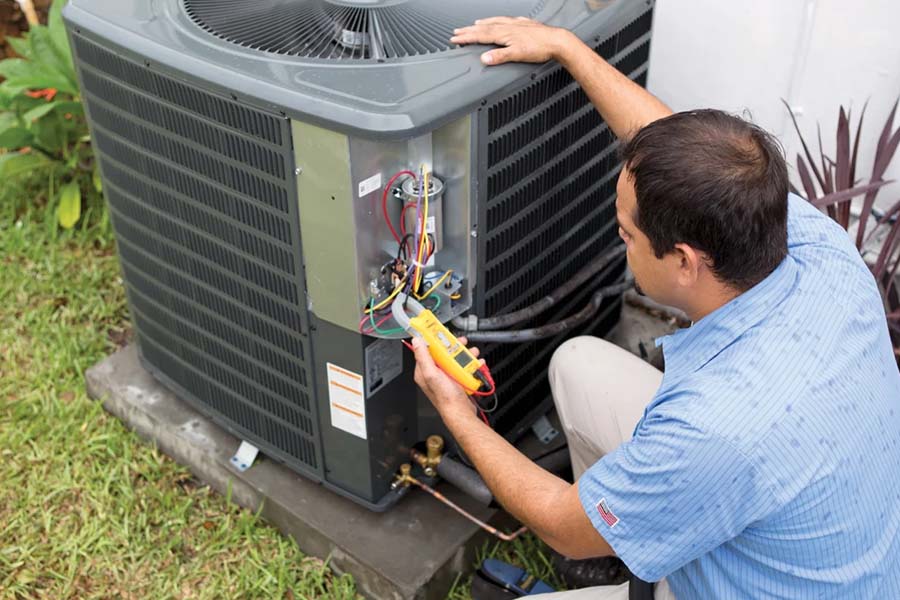
We start by checking refrigerant charge, electrical connections, and the condition of the condenser coil, just like we would anywhere else. But in Comstock Park, we also take a close look at how a home’s basement location affects the system, since so many houses here run their air handler or furnace-mounted coil below grade in a finished basement. If that basement has ever taken on water during spring flooding, we check for corrosion, electrical issues, and lingering moisture that could be affecting performance long after the water has receded.
For homes on higher ground away from the river, the concerns shift toward more typical wear from Michigan’s humid summer stretches. No matter where your home sits, we walk you through what we find and what it will take to fix it properly.
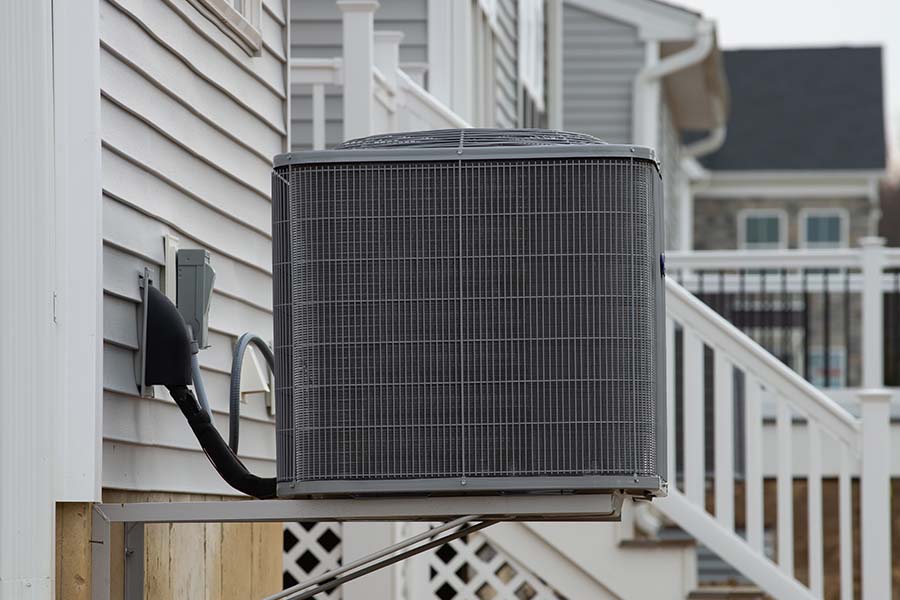
Homes near the Grand River sometimes show AC problems that are tied directly to flooding or basement moisture, while homes further from the river tend to show more typical wear. Either way, these signs point to a system that needs attention.
If your home has ever experienced basement flooding, even a small amount, it’s worth having your system checked for hidden damage before assuming everything is fine.
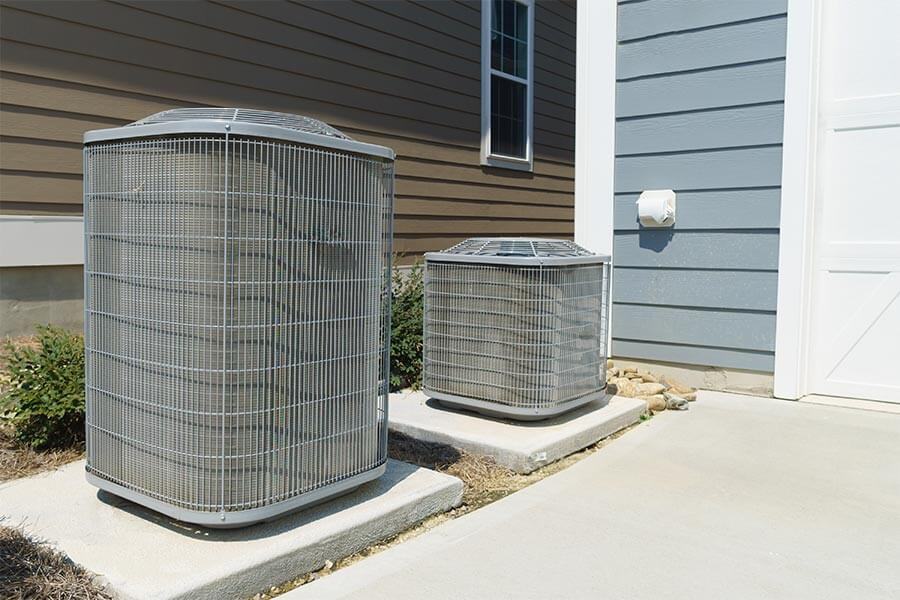
Spring flooding from the Grand River is a well known part of life for homes along the eastern side of Comstock Park, and even minor flooding can leave lasting effects on equipment installed in a basement. Water exposure can corrode electrical connections, damage control boards, and leave behind moisture that continues affecting performance long after the basement has dried out. Homeowners who’ve dealt with flooding in the past sometimes don’t realize their AC system was affected until it starts acting up months later.
Comstock Park’s tree-lined streets and mature landscaping also play a role, offering partial shade to many homes without the dense canopy found in some neighboring communities. That moderate shade helps somewhat, but it doesn’t eliminate the extra humidity load that comes with being situated so close to the river, which keeps cooling systems working a bit harder than they would on higher, drier ground.
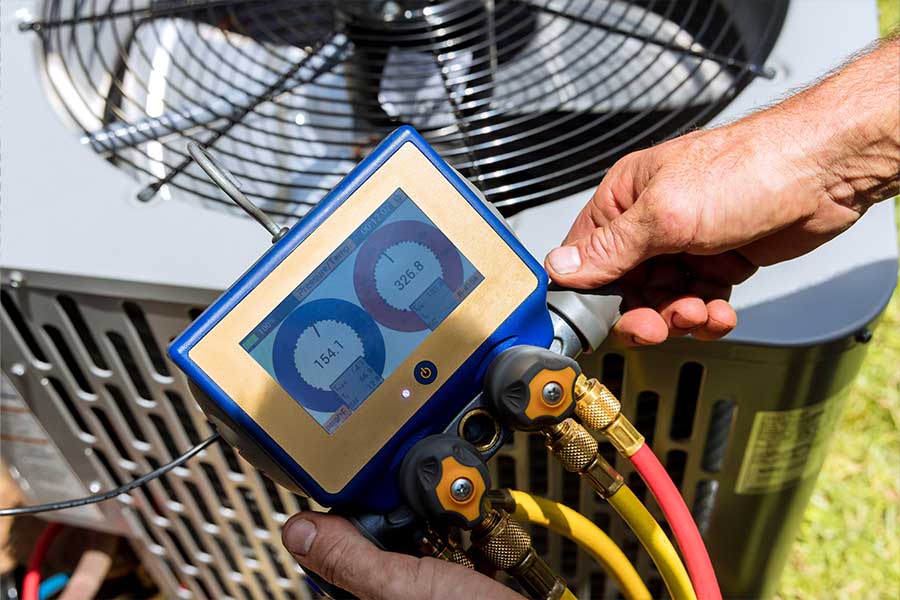
Chris, who lives near West River Drive, called us after his AC started tripping the breaker every time it tried to run. His home had taken on a few inches of water in the basement during a wet spring two years earlier, and while he’d cleaned everything up at the time, he hadn’t thought to have the AC system checked. Our technician found corrosion on the electrical connections at the air handler, a slow developing problem that had finally reached the point of failure.
After replacing the corroded components and testing the system thoroughly, Chris’s AC was back up and running the same day. He mentioned he’d completely forgotten the flooding could still be causing issues this long after the fact. It’s a situation we run into fairly often in Comstock Park, where a basement flood from a year or two ago can quietly turn into an AC repair call once the damage finally catches up with the equipment.

Comstock Park homeowners deal with a unique mix of river proximity and everyday Michigan summers, and we bring the right experience to both. Here’s what you can count on from us.
Sullivan Furnace, AC Repair & Plumbing is proud to serve Comstock Park with the same level of care no matter where your home sits relative to the river.
Yes, water exposure can slowly corrode electrical connections and components, sometimes causing problems that don’t show up until well after the flooding has been cleaned up.
Yes, even a small amount of water reaching your equipment can lead to hidden corrosion, so it’s worth having a technician inspect the system as a precaution.
A musty smell can point to lingering moisture around the air handler or ductwork, which is worth checking, especially in homes that have experienced past flooding.
Homes closer to the river often deal with slightly higher humidity, which can make the AC system work a little harder to keep the home comfortable.
Once the area is safe and dry, it’s a good idea to have a technician inspect the equipment for water damage before running the system again.