





Heat does not always reach every corner of a house, especially when the layout steps up and down. Cascade is known for rolling hills and homes built mostly between the 1960s and 2000s, which means plenty of ranches and split-levels. Sullivan Heating, Cooling, Plumbing repairs furnaces for these homes, from no-heat failures to systems that heat unevenly.
Our technicians test the whole system, not just the loudest part. We explain what we find, repair it carefully, and verify the results before we leave. That way you get steady heat and clear answers. You are not left guessing about what changed.
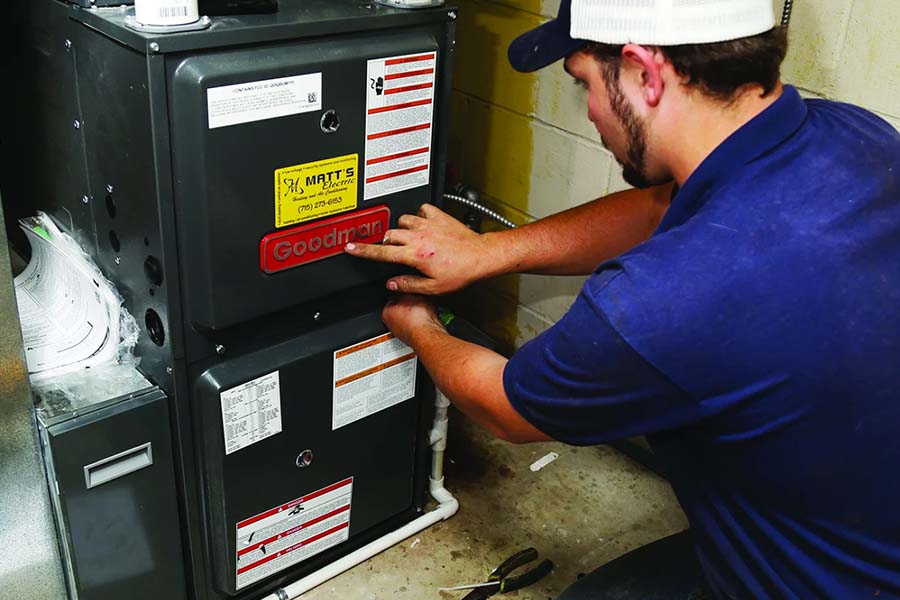
Cascade homes often show furnace trouble through comfort first. Look for these signs.
Uneven heat can come from the furnace, the ducts, or both, so a proper diagnosis matters. Notes on which rooms feel coldest help us a lot.
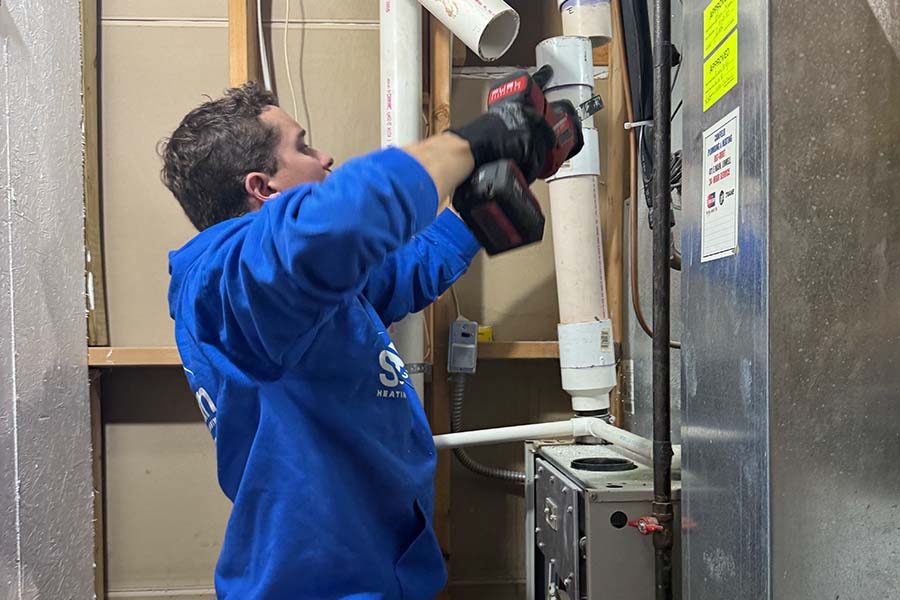
Homes from the 1960s and 1970s may still rely on the original duct layout, even after the furnace itself has been replaced. That mix creates specific problems. A blower motor that has lost strength cannot push air to the farthest rooms, a failing limit switch can shut the burner off early, and clogged filters restrict airflow everywhere.
Gas furnaces add igniters and flame sensors to the list. Both wear with every heating cycle, and a weak one can stop the furnace from staying lit. Catching them early keeps the system working evenly.
Larger homes in newer Cascade subdivisions add their own twist, since long duct runs make weak blower performance easier to notice. The fix starts with finding which part is falling short. Guessing wastes everyone’s time. Neither a weak blower nor a tired switch fixes itself.
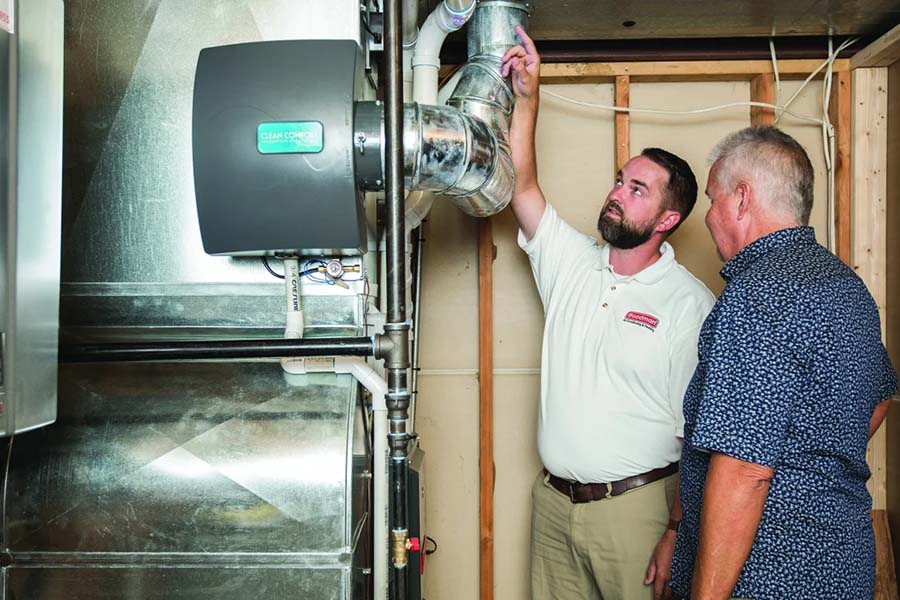
Our visit starts with a talk about where the house feels cold and when the problem began. We check power, thermostat settings, filter condition, and gas supply, then test the igniter, flame sensor, limit switch, blower, and control board. If heat is uneven, we measure airflow at the vents on different levels to see how well the system delivers.
When we find the cause, we explain it and walk through your options before any work starts. You choose how to proceed, and we never push repairs you do not need. Our process stays disciplined so nothing gets skipped.
After the repair, we run a full heating cycle and recheck airflow where the problem showed up. We clean up our work area and review what we found. The goal is balanced comfort and a repair that holds. You see the difference before we pack up.
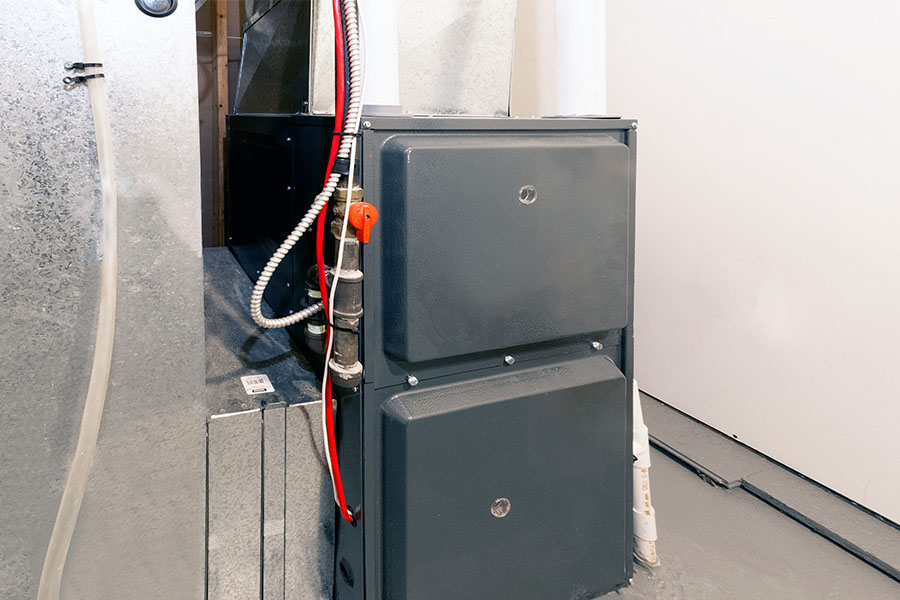
Cascade sits on rolling hills along the Thornapple River, and the houses follow the terrain. Many established neighborhoods west of Cascade Road feature ranches, split-levels, and raised ranches from the 1960s and 1970s. Those layouts stack living space on several levels, and heat rises, so the upper level can run warm while the lower level stays cool.
A furnace sized and ducted decades ago may no longer match how a family uses the house. A worn blower, partly closed dampers, and clogged filters make the imbalance worse. Homeowners in neighborhoods around Cascade Road and 28th Street SE who notice one level running colder than another have a problem worth diagnosing.
We start by checking the blower, filter, and any dampers, then measure airflow on each level. Next we test the limit switch and thermostat placement, since a poorly placed thermostat can end a heating cycle before the whole house warms. We explain what the readings show and fix the part that is causing the imbalance. Then we recheck the temperature on each level before we leave.
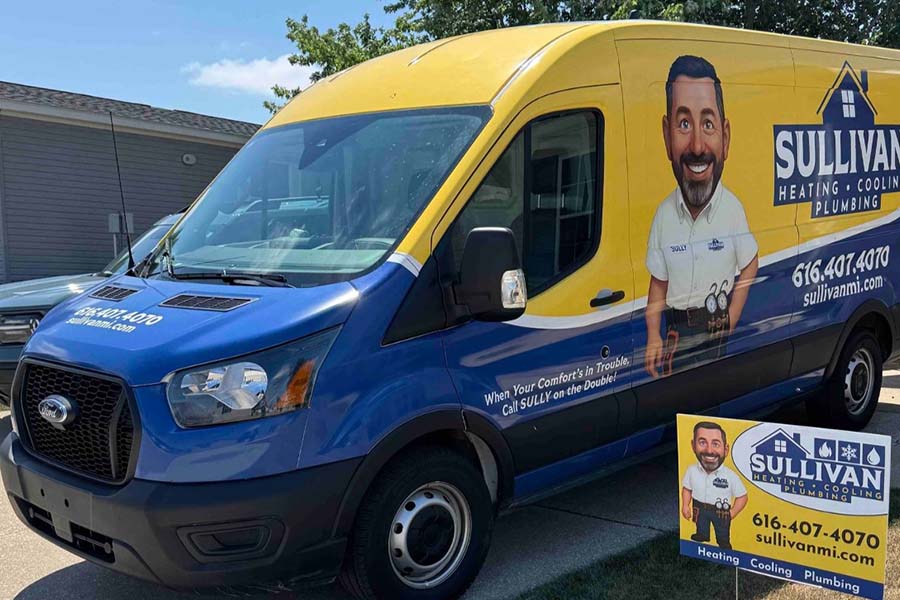
Cascade homeowners choose us because we show up ready and look at the whole system, not just one part.
If the furnace quits on a frozen night, you reach a team that answers around the clock and does the job properly. Your comfort stays the priority from first call to final cleanup.
Heat naturally rises, and older duct layouts often favor one level. A weak blower, a dirty filter, or closed registers can widen the gap. A technician can check which one applies to your home.
Not usually. Closing vents can raise pressure in the ductwork and strain the blower, so it is better to leave them open. Balanced airflow is easier to achieve with the vents open.
Place it on an interior wall away from direct sun, drafts, and heat sources like lamps. A poorly placed thermostat can end heating cycles before the whole house warms. Relocation is sometimes the right fix.
It shuts off the burner if the furnace gets too hot, which protects the system. A switch that trips often usually points to restricted airflow. Cleaning the filter is a good first step.
Yes. Our emergency furnace service is available 24/7. Call at any hour and we will gladly help.