
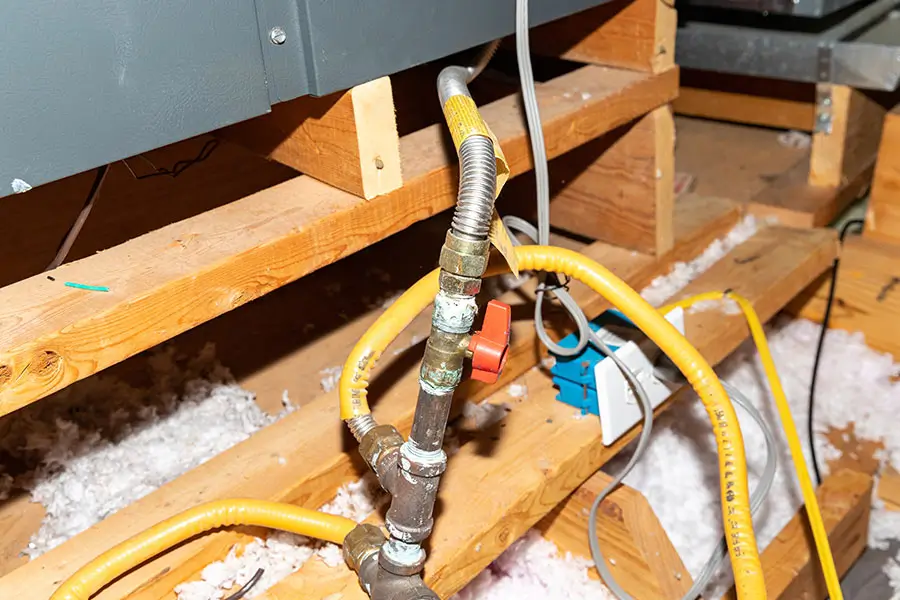
Whether your home is in the Eastown neighborhood, near the Gaslight Village area of East Grand Rapids, or in one of the established residential corridors off Leonard Street on the northwest side, the risks associated with a gas leak are identical, and the correct response is the same. Professional gas leak repair in Grand Rapids is available for exactly these situations, and having a trusted provider to call when an emergency occurs is something every Grand Rapids homeowner should have in place before they ever need it.
Causes of Gas Leaks in Grand Rapids Homes
Understanding what causes gas leaks helps homeowners recognize situations with elevated risk and appreciate why professional inspection and maintenance of gas-powered systems matter.
Aging or deteriorating gas lines are among the most common sources of leaks in established Grand Rapids neighborhoods. Natural gas pipes can corrode over decades of use, particularly at joints and connection points where dissimilar materials meet or where soil movement has placed stress on buried lines. Homes with older infrastructure are statistically more likely to develop line deterioration issues that require professional evaluation.
Improper installation or deferred maintenance of gas-powered appliances, including furnaces, water heaters, and kitchen ranges, creates connection points where leaks can develop. A fitting that was not fully tightened during installation, a flexible connector that has aged past its service life, or a burner assembly that has not been inspected in years can all allow gas to escape into living spaces or utility areas.
Construction activity near gas lines, whether inside the home during a renovation or in proximity to buried exterior lines, can physically disrupt pipe integrity. Even something as routine as yard work or landscaping near gas meter connections can introduce movement that loosens fittings over time. Regardless of the cause, any indication of a gas leak requires immediate professional attention, and reaching out to a trusted provider like Sullivan Furnace, AC Repair & Plumbing ensures the situation is assessed and resolved safely and correctly.
Recognizing the Signs of a Residential Gas Leak
Natural gas, in its unmodified form, is odorless, but utility companies add mercaptan, a sulfur-based compound, to make leaks detectable by smell. The resulting rotten-egg or sulfur odor is the most widely recognized warning sign of a gas leak and should never be dismissed or attributed to another source without investigation.
Beyond the distinctive smell, several additional indicators warrant serious attention. A hissing or whistling sound near gas lines, appliances, or the meter area indicates gas escaping under pressure through a gap or damaged connection. This sound is not always loud or obvious, and a faint, persistent hissing near a gas appliance deserves the same immediate response as a strong odor.
Dead or dying vegetation in an otherwise healthy area of your yard, particularly in a line pattern, can indicate an underground gas leak that is displacing soil oxygen around the pipe. Unexpectedly high gas bills without a corresponding change in usage or weather patterns can signal that gas is escaping from the system before it reaches the appliances it is intended to serve. Pilot lights that extinguish repeatedly without apparent cause are another indicator that something in the gas supply system warrants professional evaluation. During our service calls throughout Grand Rapids, Sullivan Furnace, AC Repair & Plumbing often identifies these subtler warning signs before a more obvious leak indicator develops, which is why taking them seriously is important.
The Serious Dangers of Ignoring a Gas Leak
The consequences of ignoring a gas leak range from serious health effects to life-threatening emergencies. There is no version of a gas leak situation in which delaying a professional response is a reasonable decision, and understanding why makes the urgency clearer.
Asphyxiation. Natural gas displaces oxygen in enclosed spaces. As gas accumulates, the available oxygen decreases, and prolonged exposure in a poorly ventilated area can lead to oxygen deprivation that causes loss of consciousness and, in severe cases, death. The effects can develop gradually without an obvious warning in an enclosed room.
Explosions. Accumulated natural gas in a confined space can form an explosive mixture at certain concentrations. A single spark from a light switch, electrical outlet, appliance motor, or even a static discharge can ignite that mixture and cause a blast with enough force to destroy structural components of the home and cause severe injury or death to anyone in the vicinity.
Fires. Natural gas is highly flammable, and a leak near a flame source or heat-producing appliance can ignite a fire that spreads rapidly through the home. Gas-fueled fires are particularly dangerous because the continued gas supply can feed the fire even after the initial ignition source is removed.
The risks are simply too serious and too immediate to approach with anything other than complete urgency. Professional emergency HVAC repair and gas leak response services exist specifically for these situations, and contacting them without delay is always the correct response.
What to Do if You Suspect a Gas Leak
The response protocol for a suspected gas leak is straightforward, and following it without deviation is critical to everyone’s safety in the home.
The first and most important step is immediate evacuation. Everyone in the home, including pets, should exit the building without stopping to gather belongings. Do not use light switches, electrical outlets, garage door openers, or any other electrical device on the way out, as any electrical arc can serve as an ignition source. Do not attempt to locate the source of the leak or shut off any appliances.
Once safely outside and away from the building, call 911 and your local gas utility company from a neighbor’s phone or a mobile device used well away from the structure. Both emergency services and the gas company have trained personnel and specialized equipment to safely locate and isolate the leak. Do not re-enter the home until emergency responders have confirmed it is safe to do so.
Under no circumstances should a homeowner attempt to investigate, diagnose, or repair a suspected gas leak independently. The risk of ignition during any amateur investigation is real, and the consequences can be catastrophic. Once first responders and the utility company have resolved the immediate emergency, professional plumbing services can assess the condition of your home’s gas system and address any repairs or replacements needed to restore safe operation.
Why You Need Immediate Gas Leak Repair in Grand Rapids
The case for immediate professional response to a gas leak does not rest on a single concern. Still, several serious, interconnected risks compound by the minute, and the situation goes unaddressed.
Safety. The explosion and fire risks associated with accumulated natural gas are not theoretical. They represent genuine, well-documented hazards that have destroyed homes and caused fatalities. Immediate evacuation and professional response are the only appropriate reactions.
Health concerns. Even at concentrations below explosive levels, natural gas exposure causes headaches, dizziness, nausea, and fatigue. Prolonged exposure in a home with a slow leak can produce chronic symptoms that are easily attributed to other causes until the gas source is identified. Children, elderly residents, and individuals with respiratory conditions are particularly vulnerable to the health effects of gas exposure.
Property damage. Beyond the acute risks, unresolved gas leaks gradually deteriorate the infrastructure they affect. Corrosion at leak points worsens over time, and the cost of repairs increases the longer the situation is allowed to continue. Addressing a leak promptly protects both the household’s immediate safety and the long-term integrity of the home’s gas system.
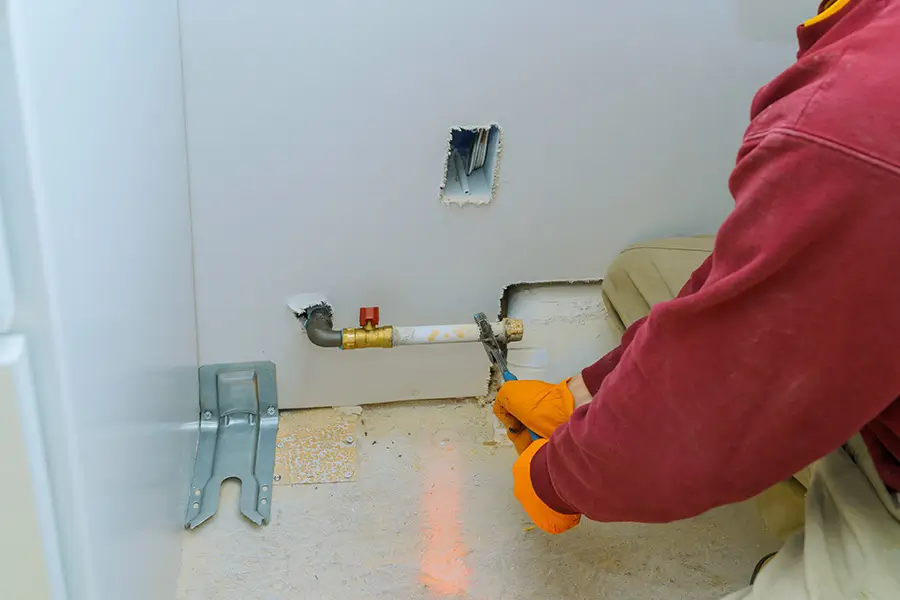
Protecting Your Grand Rapids Home From Gas Leak Dangers
Gas leak emergencies demand immediate action, not deliberation. The warning signs described in this guide are your system’s way of communicating that something is seriously wrong, and the appropriate response to any of them is to evacuate first and then seek professional diagnosis. No convenience, no hesitation, and no assumption that the smell or sound will resolve on its own are worth the risk of a delayed response. Once you are safely out of the home, contacting a trusted professional like Sullivan Furnace, AC Repair & Plumbing ensures the issue is handled quickly, safely, and with the level of expertise these situations require.
When you need emergency gas leak repair or want to schedule a professional inspection of your home’s gas system, contact our team today and let us help you protect your Grand Rapids home and everyone in it.